
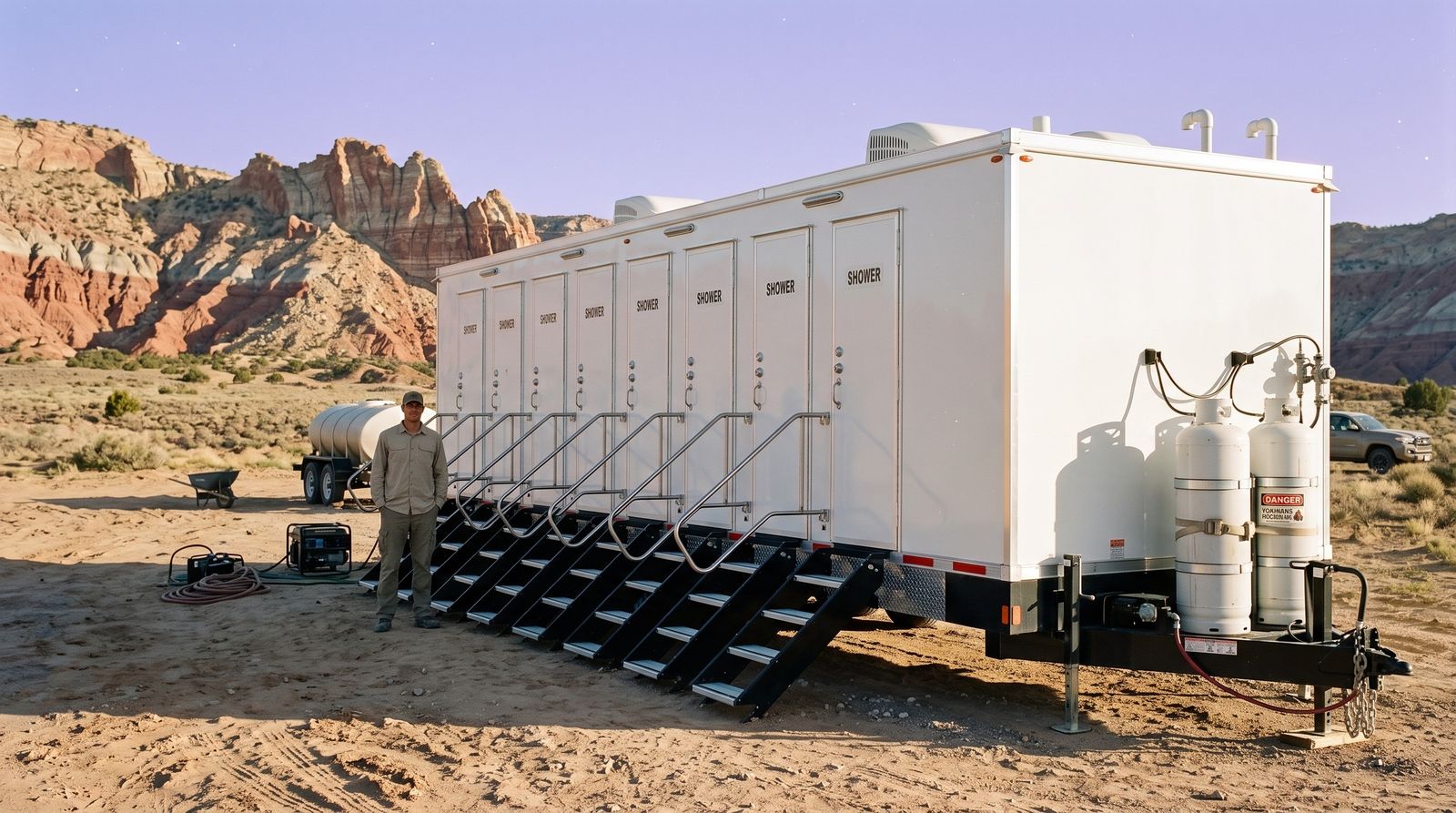
- Licensed and insuredCertificates of insurance on request
- Salt Lake area yardQuote, delivery, setup, servicing and pickup
- Every county in UtahWasatch Front to St. George and the Basin
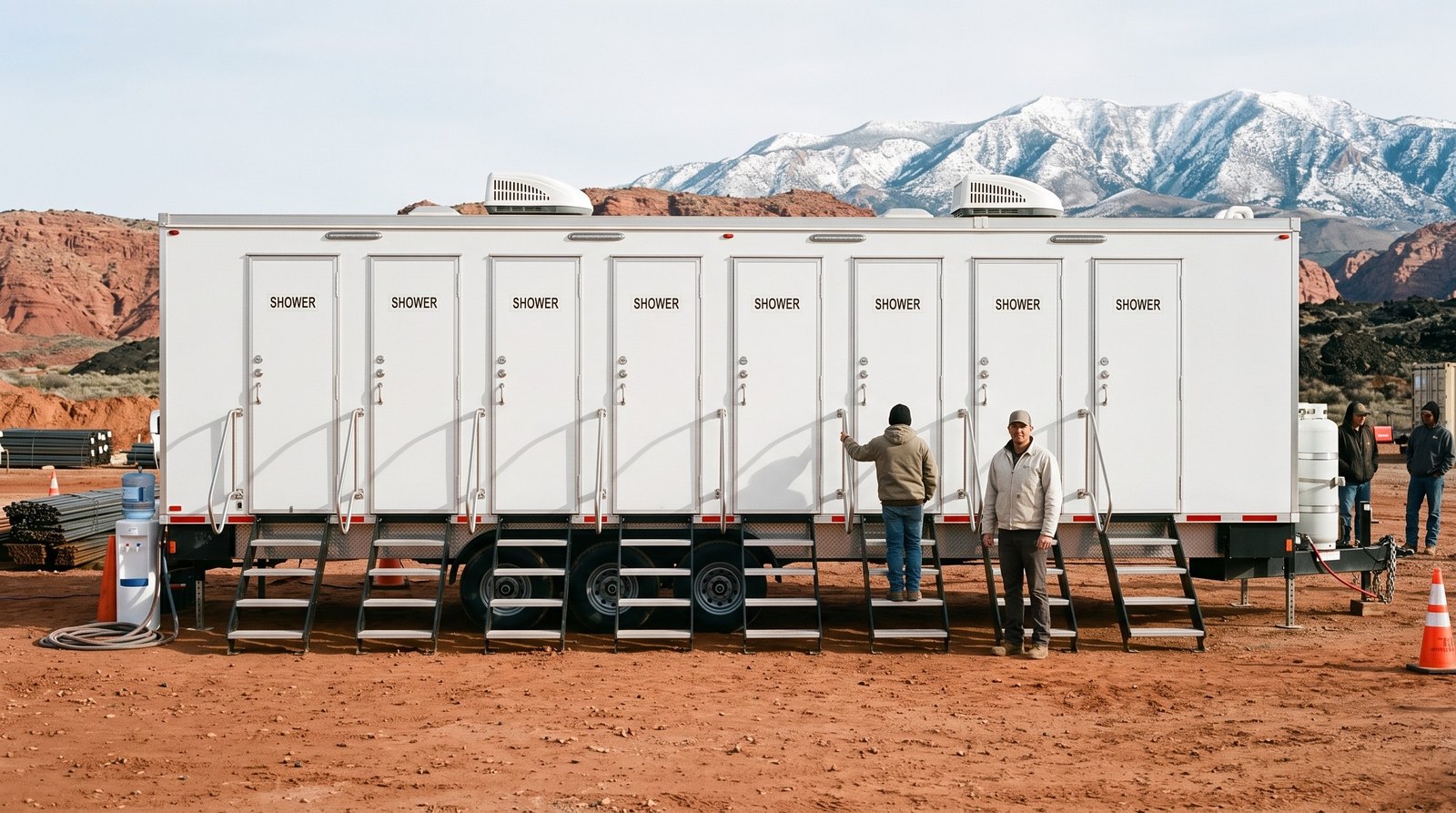
- Heated and cooledBuilt for January snow and July heat
How renting works
- 1Call or send the planner with the town, dates and headcount.
- 2A quote comes back, usually the same working day.
- 3We deliver, level and set up; call the same line for service.
- 4Scheduled servicing on site, then pickup when the job ends.
Five cities in depth, then every other Utah site
Utah is one state with five genuinely different operating environments inside it, and a page that treats them as one market is useless to anybody trying to plan a job. So the five largest markets we work in get their own section below, written around what actually happens in each one: the industries that generate the work, the districts and landmarks people give as directions, what the ground and the roads do, and how the year is shaped.
After those, the rest of the state is grouped by region, because a town that we have not written six paragraphs about is not a town we will not deliver to. Then there is the part that people skip and should not: the statewide logistics. Canyon and pass access, winter operation, hauled water, drive times, and what a delivery to the far corners of the map really involves.
The deciding factor on any Utah delivery is almost never the mileage. It is the road surface, the grade, the turnaround room and whether a truck with a long trailer behind it can get in and back out again. A site two hours down the interstate can be an easier delivery than one forty minutes away at the top of a rough gravel grade.
The capital, the convention district and the bench above it
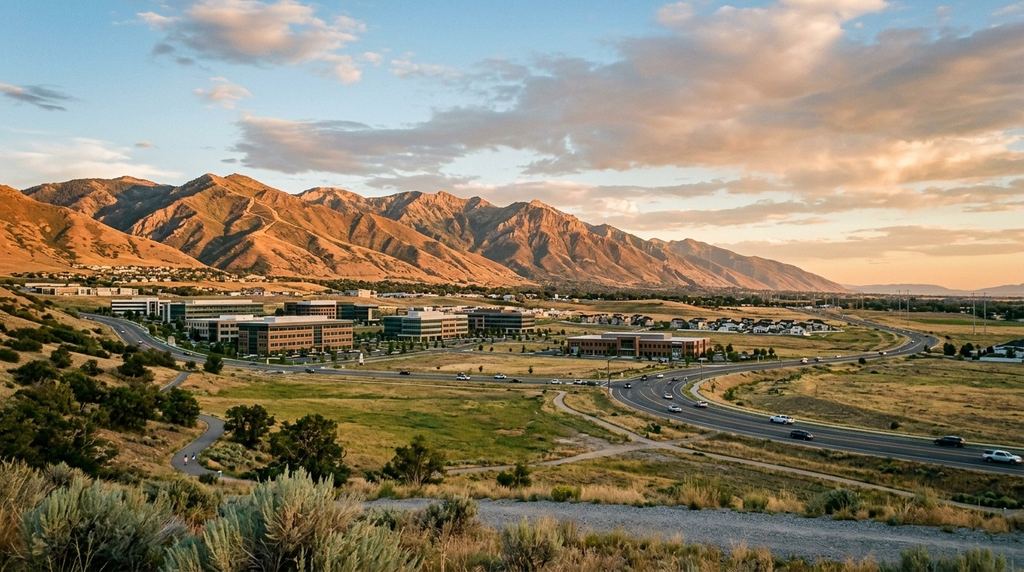
Salt Lake City anchors the whole Wasatch Front economy, and its downtown is in the middle of an unusually large building cycle. Local reporting describes roughly two dozen downtown projects committed this decade, headlined by a planned sports, entertainment, culture and convention district and a full rebuild of the Salt Palace Convention Center. The Salt Palace rebuild is expected to start around spring 2027 with the building closing that autumn for a roughly three year rebuild, targeted for completion ahead of the 2034 Winter Olympic and Paralympic Games, for which it is planned to serve as the media center and a possible curling venue. Work of that shape puts large crews on tight downtown parcels for years at a time.
The city's own geography sets the rest. The valley floor sits somewhere around forty two to forty five hundred feet, and the Wasatch Range walls it in on the east and climbs past eleven thousand feet within a few miles. Lake effect off the Great Salt Lake can bury the benches and foothills while the valley floor gets a fraction of the same storm. The Utah State Capitol sits on the north bench looking down over the grid, Temple Square anchors several blocks near the center, and the Utah State Fairpark on the west side hosts the city's two biggest annual gatherings: the Days of 47 Rodeo in July and the eleven day Utah State Fair in September. Both of those are the classic supplemental capacity case, for contestants and stock handlers as much as for the public.
Downtown residential population has grown sharply over recent years while the weekday office population has fallen, which has moved where foot traffic and construction activity actually concentrate at any given hour. For a delivery that matters in a specific way: the hard part of a downtown Salt Lake City placement is almost never power or water, which are usually right there. It is room. A renovation on a mid block lot or a tight site behind a building often has a circuit and a hose bib and nowhere for a truck to turn.
South and west of the center the valley opens into Sandy, Draper, Riverton and West Jordan, which are short runs from the yard and generally the simplest deliveries in the state. Draper has its own concentration of redevelopment activity. West Jordan and Riverton sit near the edge of the Bingham Canyon mining complex southwest of the valley, which runs continuously and generates a steady stream of contractor, turnaround and capital project work around the edges of the main operation.
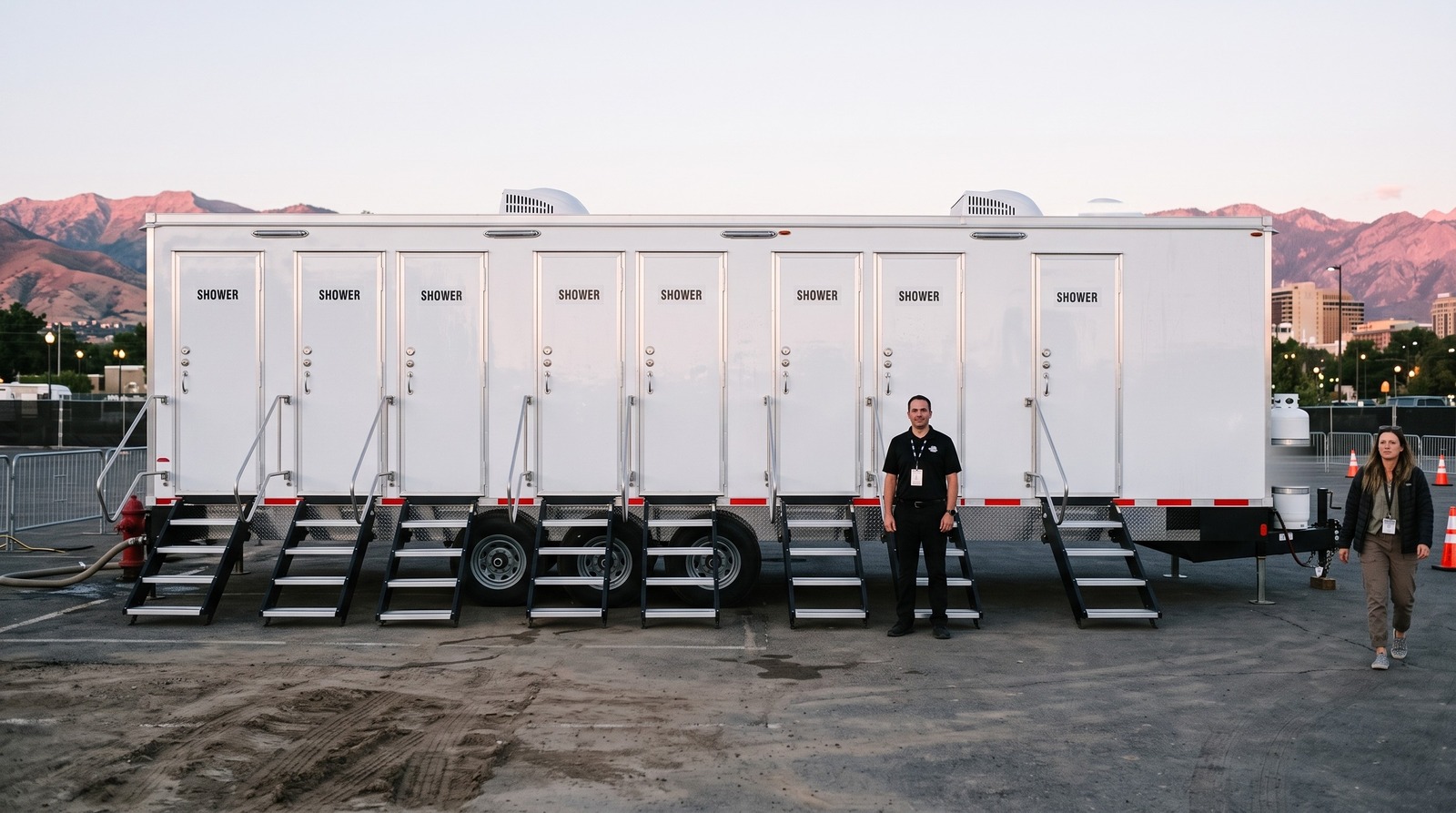
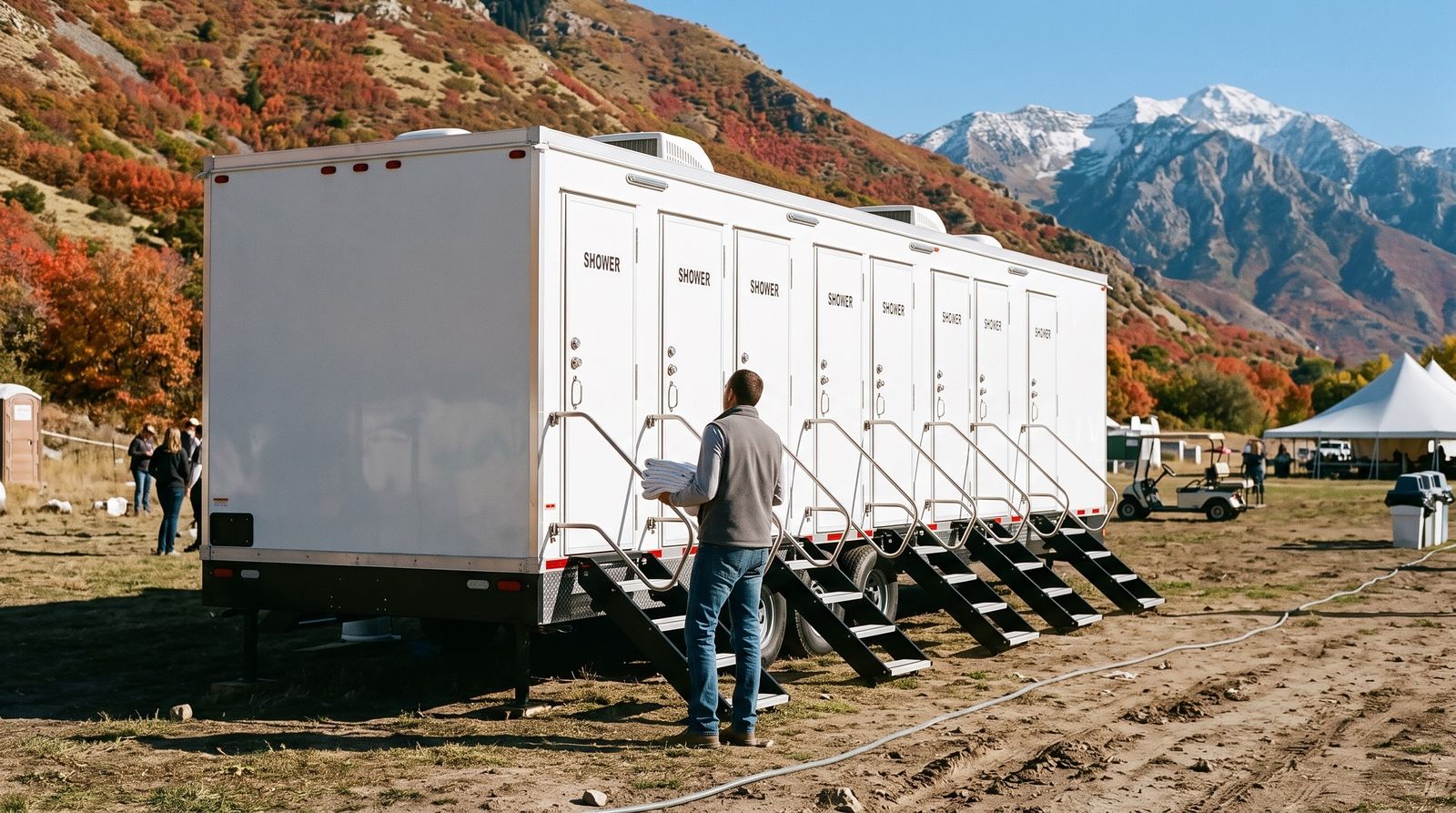
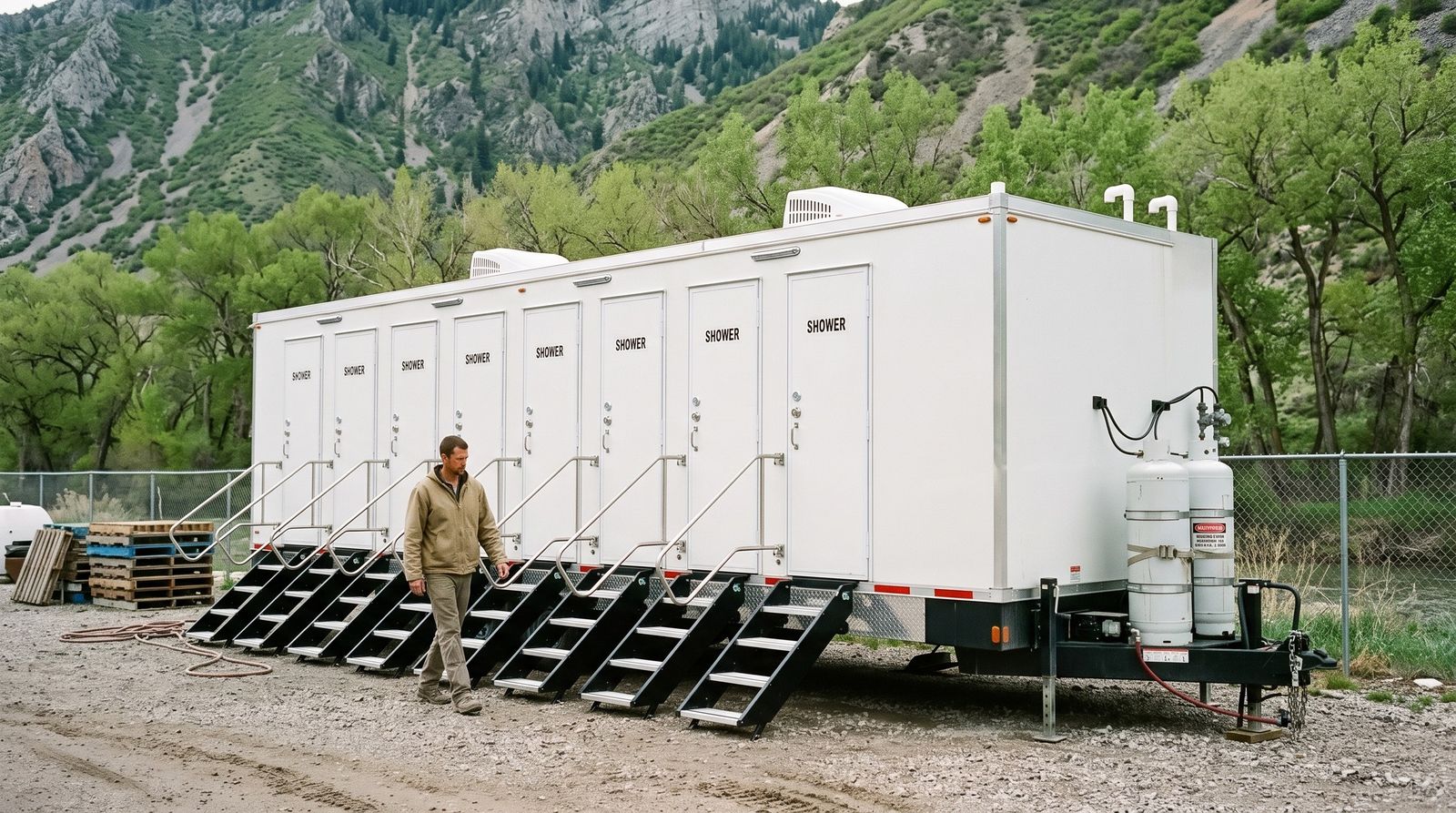
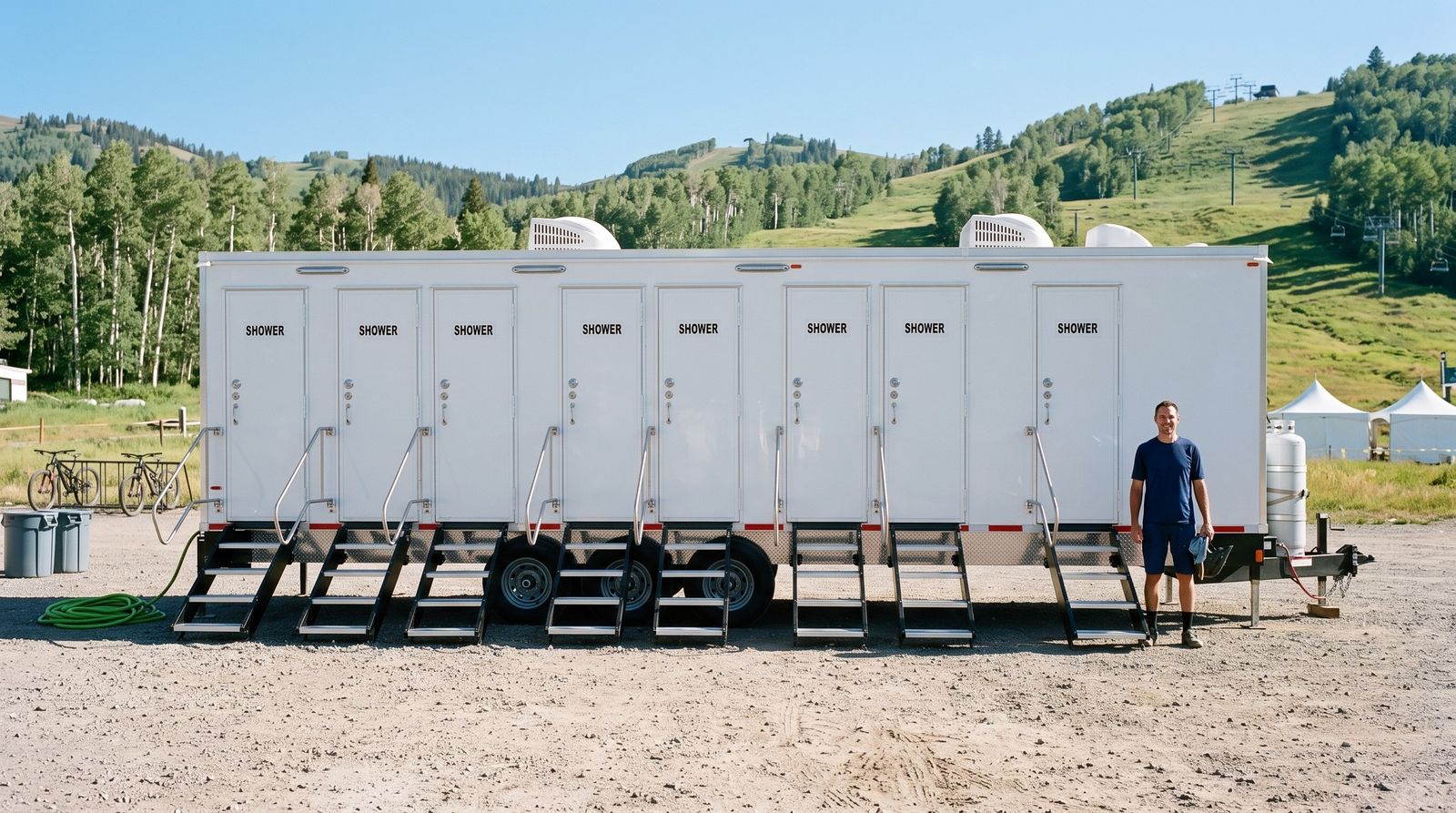
The shower trailer work that arises here is therefore three things. Long placements on downtown and valley construction sites, frequently ahead of permanent utilities being in service. Event capacity at the Fairpark and similar grounds during peak weeks. And staging: crews based in the Salt Lake Valley who work somewhere else entirely, because from downtown you are thirty to forty five minutes from genuine back country in three directions, which is why so much of the state is run from here.
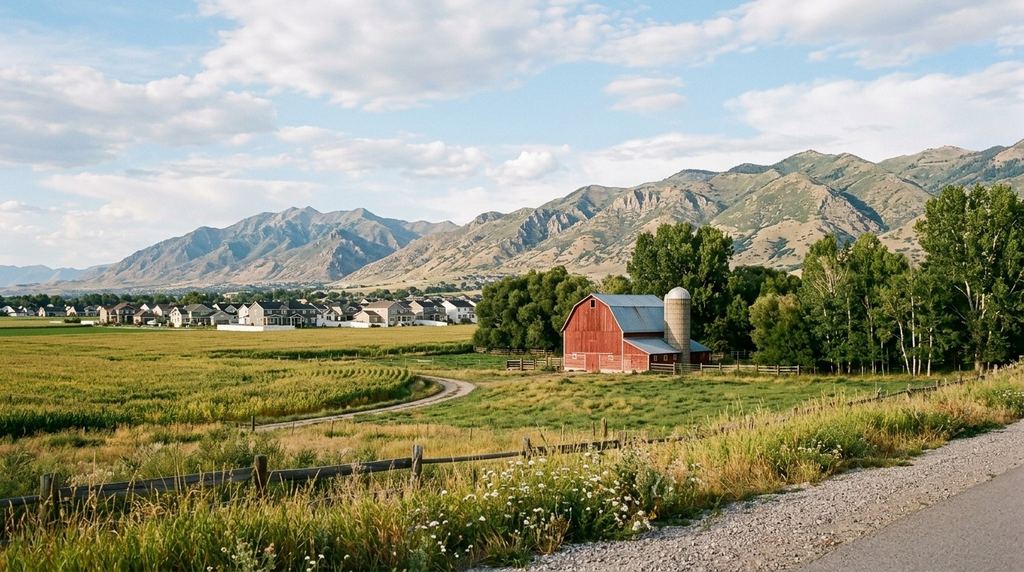
Utah County, the university and the canyon
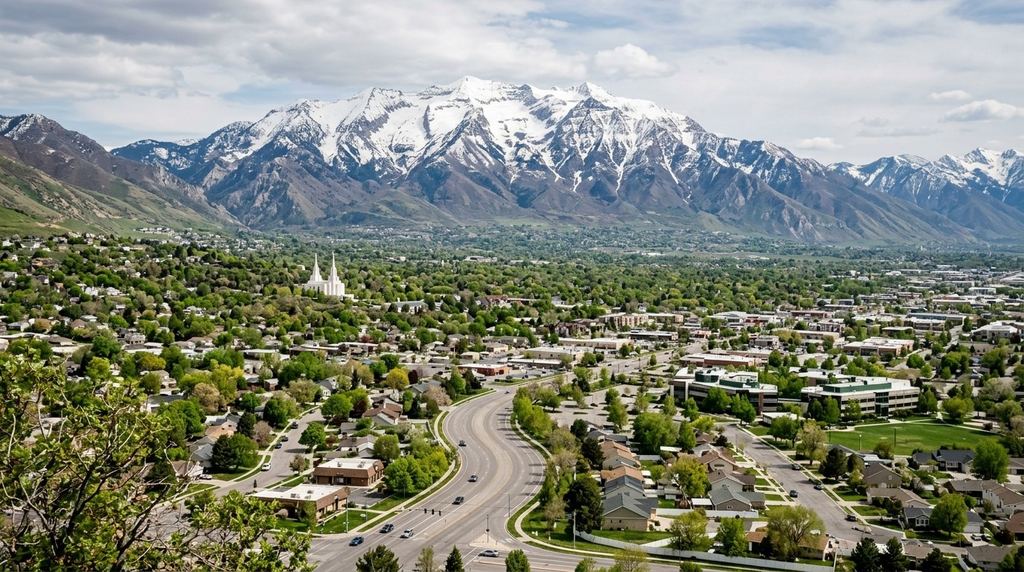
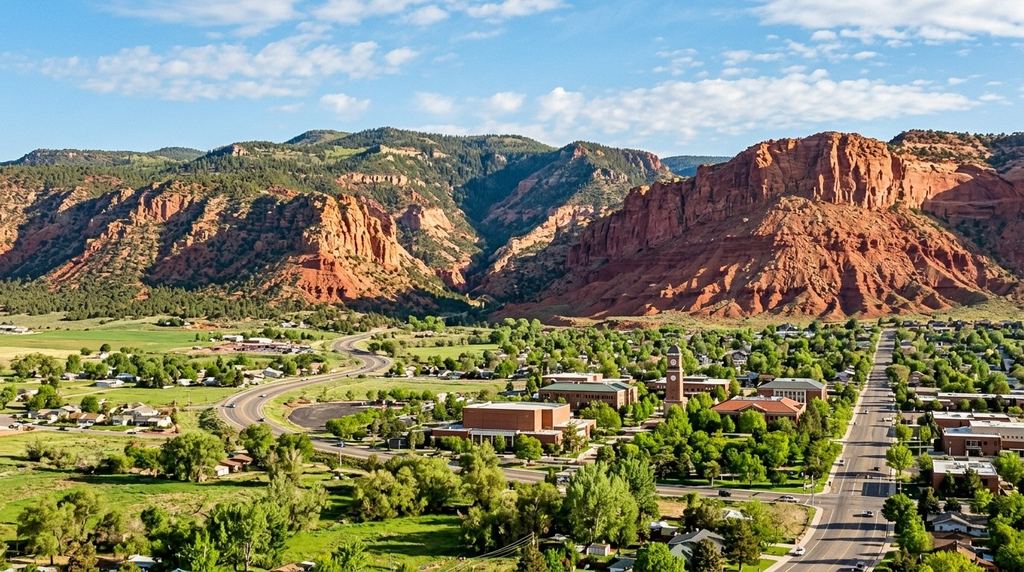
Provo is the seat of Utah County and the southern anchor of the Silicon Slopes corridor. Brigham Young University shapes the city directly, and regional coverage credits the resulting workforce, large, highly educated and notably bilingual, as a significant factor in the technology sector taking root along this stretch of the Front. Utah's technology sector has been adding jobs at something like two and a half times the national pace, and Provo's economy has moved a long way from its historically agricultural and manufacturing base.
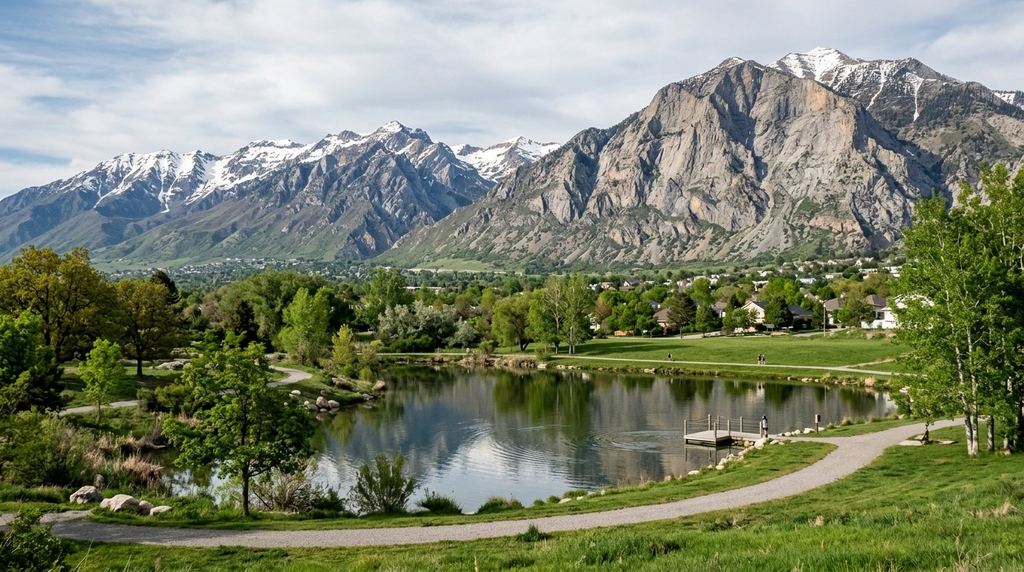
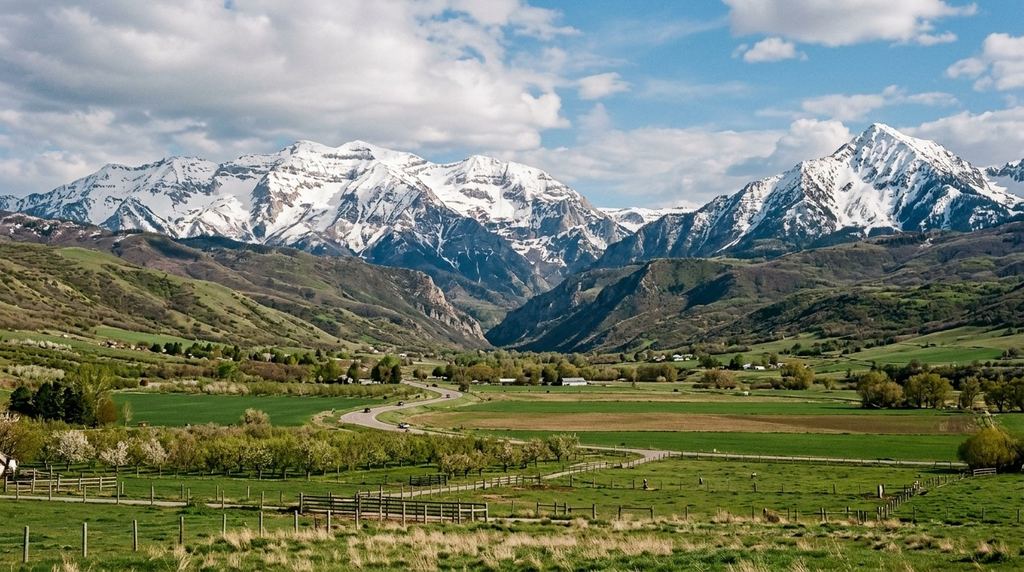
The city sits on the eastern shore of Utah Lake with Mount Timpanogos rising directly behind it, one of the most recognizable profiles on the Wasatch Front. Provo Canyon, the corridor that connects Provo to the Heber Valley and on toward Park City, is both a heavily used recreation route and a maintained highway corridor, and it behaves like every other canyon in this state: weather closes it, maintenance narrows it, and summer weekends fill it.
Campus drives a particular kind of demand. Beyond term time enrollment, the university hosts large recurring youth and continuing education programs through the summer, including the week long sessions that draw teenagers from well beyond Utah. Those programs concentrate a very large number of people onto fixed facilities for one week at a time, which is exactly the situation where permanent dormitory and gym capacity stops being enough and supplemental showers get brought in.
North of the city the corridor through American Fork, Lehi and Orem is where Utah County's construction activity is busiest. The 2100 North freeway to freeway connector at Lehi is building nearly three miles of new freeway and fourteen new bridges between the Mountain View Corridor and I-15. Further west, the data center build out around Eagle Mountain has become one of the largest construction markets in the state, with campuses measured in millions of square feet and phases that keep sizable crews on semi remote parcels for a year or more, usually before permanent site utilities are fully in service.
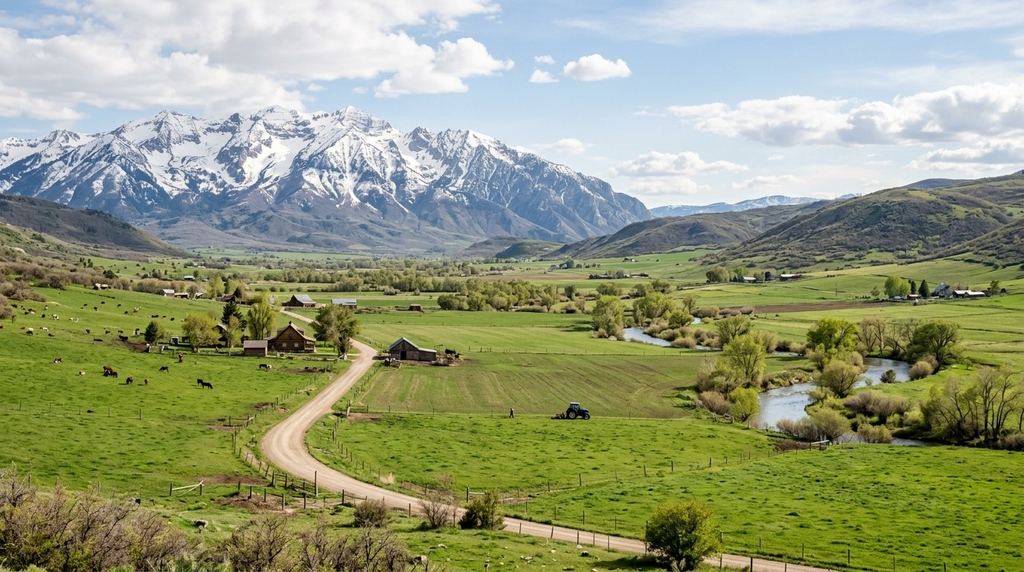
So the Provo picture is campus programs in summer, technology and data center construction spreading south through the county, canyon corridor highway work, and the wedding and event venues in the foothills and around the lake, many of which are converted agricultural buildings with no guest scale facilities built in. Access in this market is mostly easy. Utah County has good roads and the sites are largely graded. The exceptions are the canyon placements and the venues up in the foothills, where the last quarter mile is the part worth talking about.
Reviews from Logan, Cedar City and Carbon County jobs
We are up in Cache Valley and figured nobody would haul that far north for a two week job. They did, and the trailer showed up on the day they quoted.
Booked a trailer for a June festival in Cedar City. They knew the fairgrounds and where a trailer could and could not go before I even sent a map.
Carbon County job in winter with a rough road in. They asked about the road before anything else and sent a truck that could handle it. The unit arrived warm.
Weber County, Ogden and its rivers
Ogden rebuilt its identity around outdoor recreation over the past two decades, and the city markets itself on the Ogden and Weber rivers meeting downtown and on the ski resorts a short drive up Ogden Canyon. Local reporting counts more than fifty outdoor recreation businesses operating out of the city, including recognizable cycling, backpacking and ski gear manufacturers. Underneath that there is an older and still substantial base: education, manufacturing, warehouses, distribution, defense adjacent work, and a very large federal employer in the form of a major tax processing center.
The built landmarks are the ones people actually navigate by. Union Station at the foot of the hill, with the firearms museum and the vintage car collection inside it. Historic 25th Street running up from it with its restored commercial buildings. Weber State University on the bench to the south. Out of town the reference points are Pineview Reservoir, Willard Bay, and the Snowbasin ski area.
Ogden Canyon is the feature that changes deliveries here. It connects the city to Pineview and the mountains beyond, and it behaves like the Provo and Cottonwood corridors: narrow in places, subject to weather closures and avalanche control in winter, and heavily trafficked by recreation in summer. Up the canyon and around the reservoir sits Eden, which is where a good deal of the camp, resort and event work in this part of the state lands.
Winters north of the Salt Lake Valley run longer and colder, and an inversion can hold a site below freezing for days at a stretch rather than overnight. That moves freeze protection from a precaution to the main event on any placement here between late autumn and the thaw, and it means the first question before a northern winter delivery is who clears the snow on the access and when, not what the pad looks like.
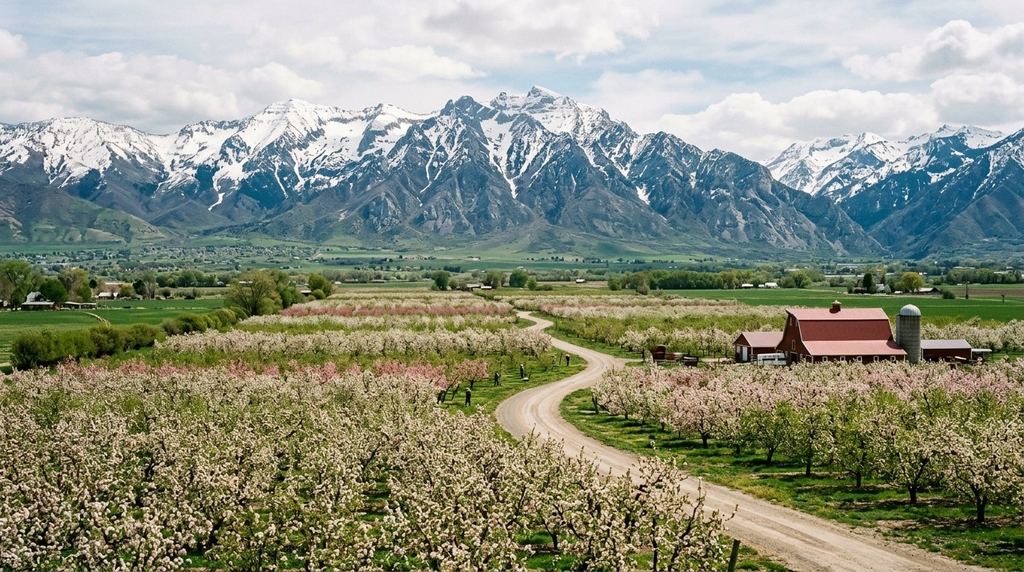
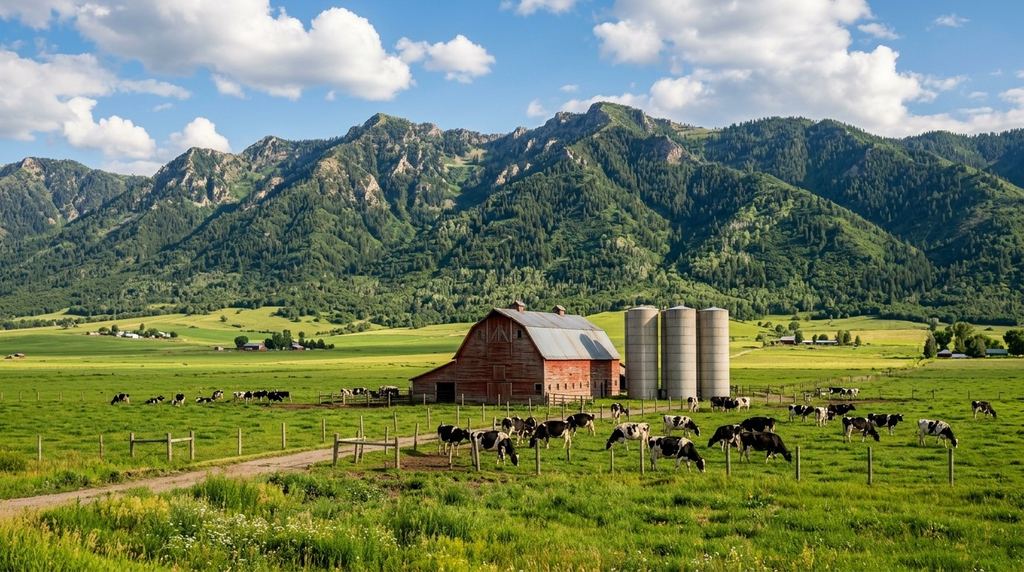
The work that comes out of this market is recreation and outdoor industry event support, construction tied to the ongoing build out of trail and recreation infrastructure and the real estate that follows it, canyon and resort adjacent construction on the Snowbasin and Pineview access routes, and general county work on warehousing, distribution and highway projects. North of Ogden the same logic carries up to Brigham City, and north of that the valley floor work runs on into the dairy and agricultural country around Richmond, where livestock shows and spring festivals create their own concentrated demand for wash up capacity.
The southwest corner, red rock and a long construction boom
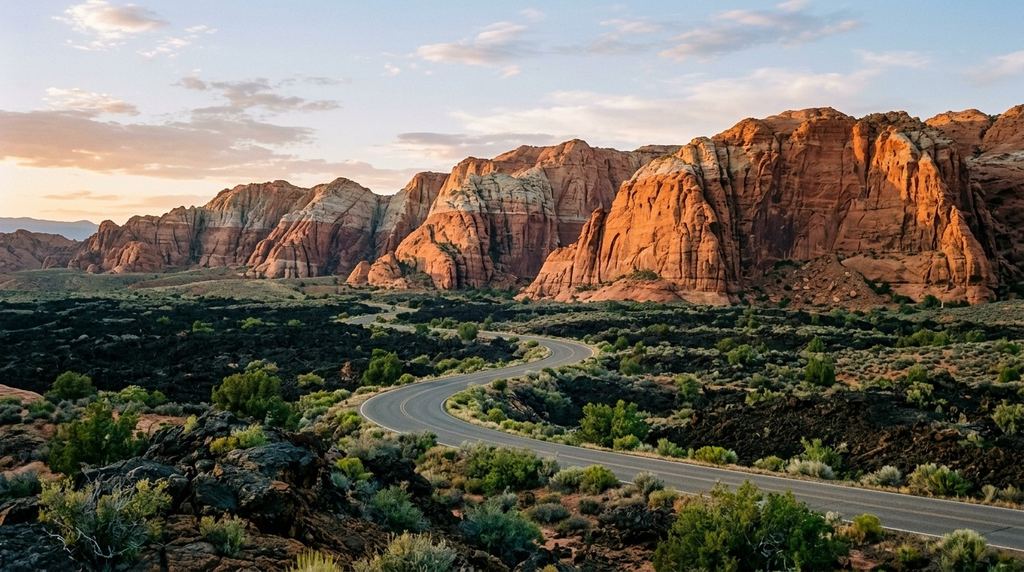
Saint George sits at the bottom left corner of the state in the Mojave transition zone, far lower than anywhere else on this page at roughly twenty seven hundred to three thousand feet in the valley, and it has been among the fastest growing metro areas in the country for about three decades running. The metro population approached two hundred thousand by 2023 and the city itself grew from just over ninety five thousand residents at the 2020 census to an estimated one hundred and six thousand by 2024.
Tourism is the visible part of the economy because Zion is close. The larger structural drivers are healthcare and education, anchored by a regional hospital presence and a state university in town. That combination, fast population growth on top of a healthcare and education anchor rather than a purely seasonal tourism base, is why residential and commercial construction here has stayed elevated for years instead of moving in tourism cycles. The interstate widening project through the county is a direct response to the same growth.
The landscape is the defining feature and it is genuinely operational, not scenery. Snow Canyon State Park, the Red Cliffs Desert Reserve, Gunlock, and the approach to Zion all sit within a short drive. That terrain means dirt and rough gravel access roads are ordinary even close to town, and setup on sandy or loose soil takes longer to stabilize and level than a graded pad on the Front. Just west of the city, Ivins is home to an outdoor amphitheater built into a red rock canyon with cliff walls around fifteen hundred feet, which stages large scale productions through a multi month summer season and generates sustained backstage and crew demand rather than one event day.
The climate flips every assumption made further north. Winters are mild enough that freeze protection is a lighter concern here than anywhere else in the state, which is exactly why construction, film production and event work moves south between November and March. Summers are the opposite problem. July and August highs run into the hundred to hundred and five range, air conditioning runs rather than cycles, and water turnover rises with it, so refill and pump out intervals for a summer job here should be assumed shorter than the same crew would need on the Front in spring.
The work follows all of that: construction crews on the county's sustained building activity, healthcare and education facility expansion, endurance and triathlon events drawn to the terrain and the spring climate, film production in the surrounding canyon country, and the amphitheater season in Ivins. Access questions here are about surface and stabilization rather than snow, which makes it the one market on this page where the hard season is summer.
The Wasatch Back, a compressed event season and real altitude
Park City sits at roughly seven thousand feet on the far side of the Wasatch crest, a mile above the Salt Lake Valley floor, and that altitude is not a detail. It changes what equipment does. Gas fired water heaters are rated lower for elevation under the fuel gas codes, water boils lower, and freeze risk extends into months that are comfortably summer down in the valley. A placement here in February is the hardest combined case in the state: sub freezing nights and reduced heater output at the same time, needing both freeze protection and a heater sized generously enough to absorb the altitude loss, together rather than as separate fixes.
The economy runs on tourism, recreation and, at the moment, a sustained multi year cycle of resort construction. The Deer Valley expansion is described in industry press as the largest in ski industry history: roughly thirty seven hundred additional acres, a hundred and thirty five new runs, sixteen new lifts and a new gondola, with the build out running through 2028. Summer 2026 work concentrated on the resort's East Village, including new lodges plus lift and snowmaking infrastructure. Resort construction is inherently a warm weather sprint. Crews have roughly May through October to move dirt, pour concrete and set lift towers before snow returns, which packs demand into a short, schedule driven window rather than spreading it across the year.
Historic Main Street is the civic and commercial heart and doubles as the venue for a dense summer calendar: the Kimball Arts Festival draws more than thirty thousand visitors across a single August weekend, the Park Silly Sunday Market runs most Sundays from June through September, and the town also hosts a long table street dinner and a summer music festival. January brings the film festival across Park City and Salt Lake City, more than ninety features over ten days, with the 2026 edition confirmed as its last based in Park City before the festival moves out of state. Satellite venues and hospitality operations around that scale of event are where supplemental capacity gets used.
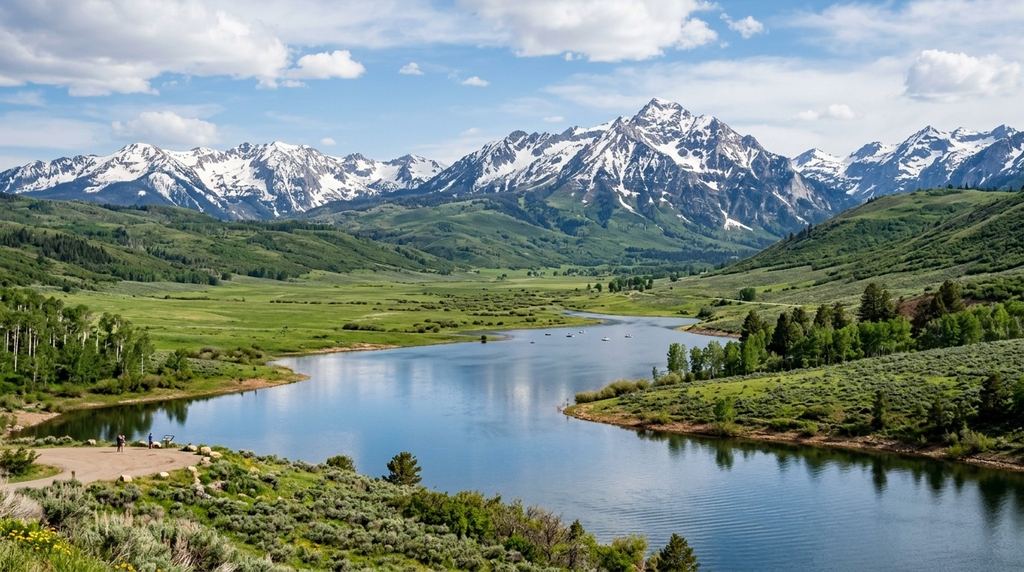
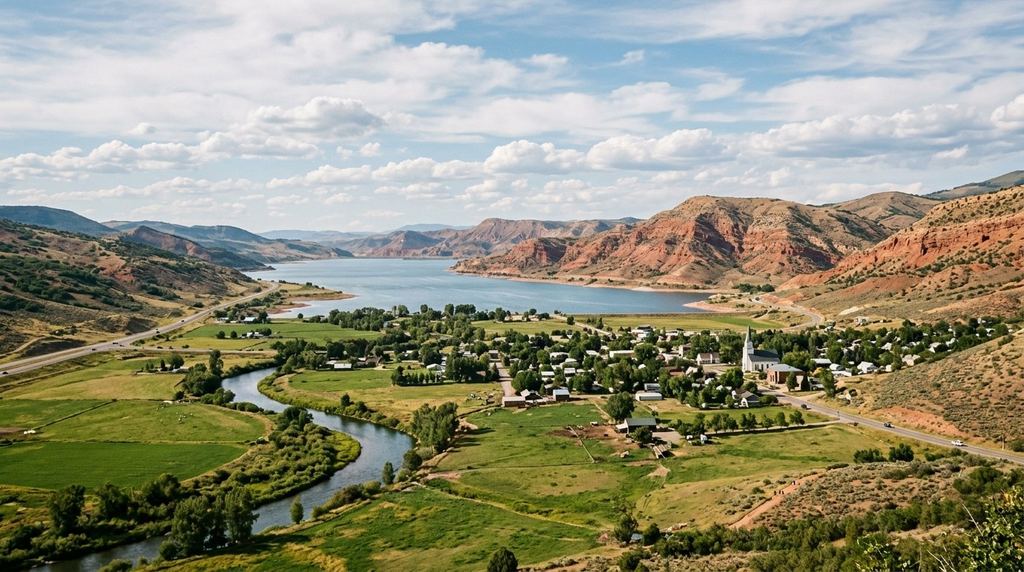
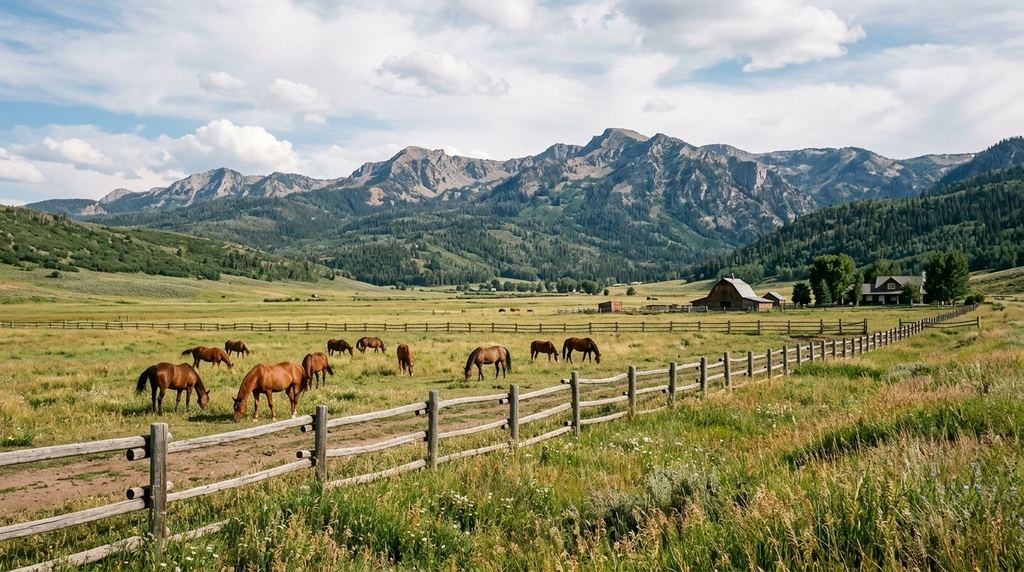
Around the town the Wasatch Back opens into the mountain valleys: Coalville and Peoa to the north and east, and over the ridge the Heber Valley with Heber City and Midway. Those sit around fifty six hundred to sixty six hundred feet, and they carry the ranch, film and wedding venue work, along with the youth and church camps that fill the high country every summer. Midway's Swiss Days, held the Friday and Saturday before Labor Day, is described as Utah's second largest festival and draws something like a hundred thousand people to a town that does not have permanent facilities for anything approaching that number.
Access here is a winter question and a spring question. Snow removal at the pad itself has to be somebody's job, canyon and pass routes close for storms and avalanche control, and the spring thaw turns dirt staging areas soft well into May at elevation. A June night can still freeze at seven or eight thousand feet, and a forty degree swing inside one day is ordinary, so a unit going up here gets set up for the site rather than the calendar.
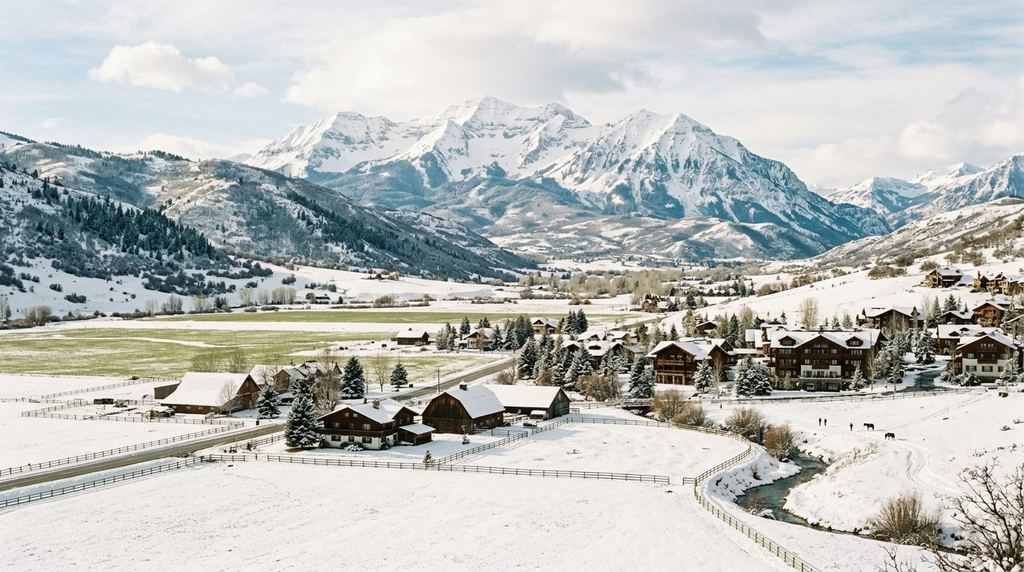
Grouped by region, and all of it real coverage
- Salt Lake Valley. West Valley City, West Jordan, Sandy, Draper and Riverton are short runs on good roads and are usually the simplest placements we do. Power and water are commonly available, pads are usually graded, and a unit coming off one job here can be turned around and back out the same week.
- Utah County. Lehi, American Fork and Orem sit on the interstate corridor where the county's construction activity concentrates. South of the lake, Goshen is the far end of the county and the character changes completely: agricultural and utility work, longer runs, and sites where a hose bib is not a safe assumption.
- Northern Utah. Ogden and Brigham City on the interstate, Eden up the canyon for camps, resort work and events, and Richmond and the dairy country beyond it. Longer, colder winters than the valley and an inversion season that can hold a site below freezing for days.
- The Wasatch Back. Park City, Coalville and Peoa in the high country, and Heber City and Midway over in the Heber Valley. Park City sits near 7,000 feet, the building season is short, and winter placements here are the hardest in the state.
- The southwest. Saint George and Ivins. Mild winters, hard summers, sandy ground, and a construction and event season that runs opposite to the rest of the state.
- The southeast. Moab and the red rock. Film and commercial base camps, a heavy autumn and spring endurance race calendar on dirt courses, river guiding, and the crews that keep the park entrance towns and highways working. Almost all of it remote, most of it without hookups, much of it reached on dirt.
- The Uinta Basin. Fort Duchesne and the well pad, pipeline and lease road country around it. Oil and gas work, ranching and reservation land, a winter inversion season, and roads that are seasonally rough or blocked. Long placements, self contained, serviced on a schedule built from the road rather than the map.
- The west desert. Tooele on its eastern edge, then Dugway and the sparsely populated basin and range country beyond it. Very little precipitation, hot and dusty summers, cold and windy winters, effectively no grid power outside the towns, and no local water. Everything hauled, both directions.
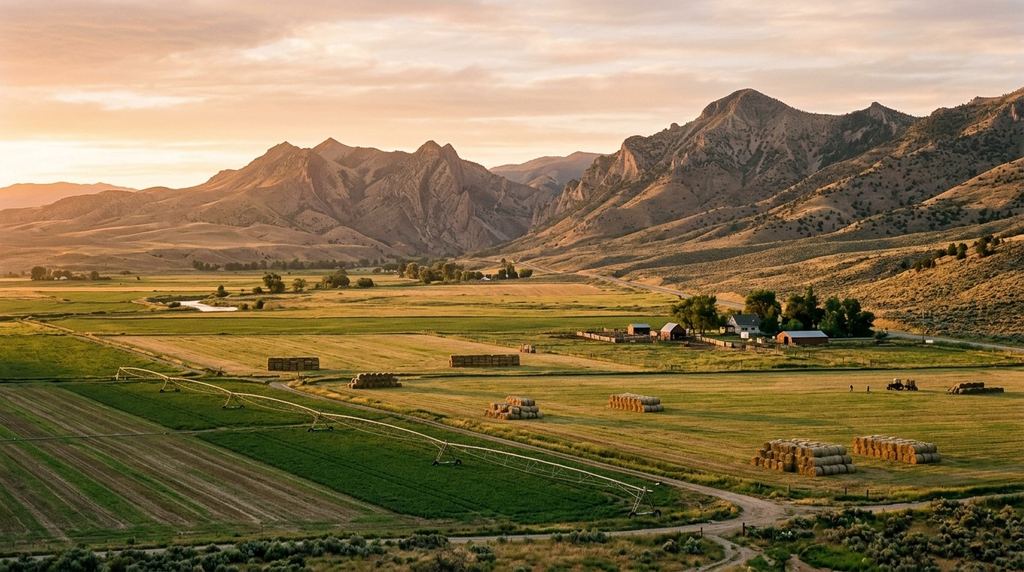
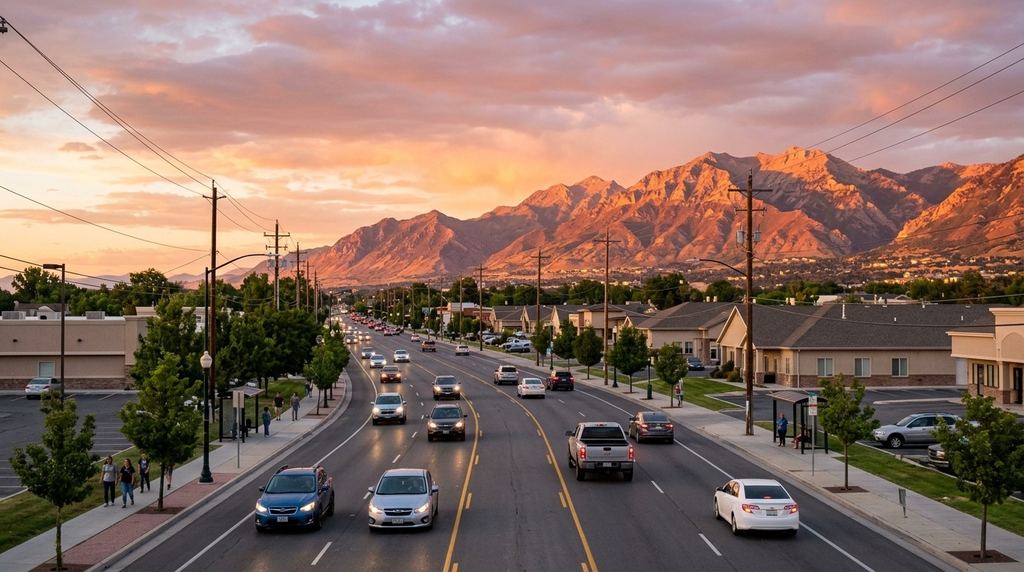
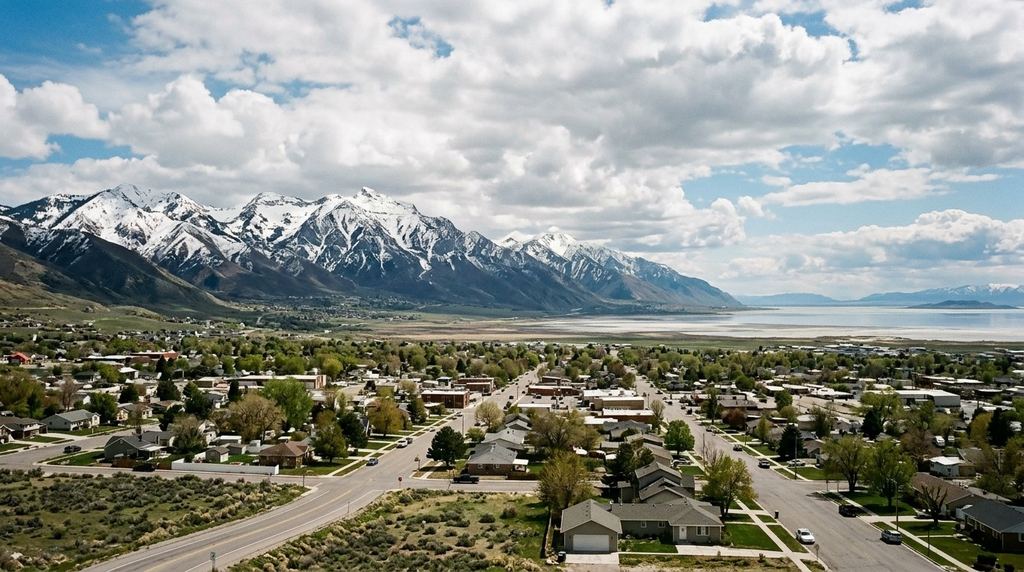
That list is not a boundary. It is the places that come up often enough to name. If a site is inside the state line, the question is what the road does, and that is a short phone call rather than a reason to look elsewhere.
The routes that decide whether a delivery happens
Most of the interesting places in this state are reached through a canyon or over a pass, and those routes have their own rules. They narrow, they carry heavy recreation traffic on summer weekends, they close for storms, and in winter they close for scheduled and surprise avalanche control. A route that is forty minutes in August can be closed outright in February with no notice and no alternative.
Parleys is the main gate to the Wasatch Back. Provo Canyon connects Utah County to the Heber Valley. Ogden Canyon runs up to Pineview and the resorts behind it. The Cottonwood corridors are subject to both scheduled and storm driven closures through the winter, and UDOT posts them on its road conditions map. None of that makes a delivery impossible. It makes the delivery window something that gets planned around weather rather than promised against a clock.
The practical approach is to plan a winter canyon delivery with slack in it and to tell the customer honestly where the slack is. If the route closes on the morning of a scheduled delivery, the honest answer is that the unit goes when the road opens, and saying that in advance is a great deal better than saying it at ten in the morning on the day.
Low clearance and weight limits are the other canyon problem, and they are the ones that catch people out because they do not show up on a map. A route that a pickup takes comfortably is not automatically a route for a truck with a long trailer behind it. A stretch like the narrow Hogback on Utah 12 near Boulder gets checked before the trailer leaves the yard rather than discovered at the pinch point.
One season, five different site problems
Winter is not a single condition in Utah. On the Wasatch Front it is cold nights, valley inversion days and a snow total that lands very differently between the valley floor and the benches above it. In the Wasatch Back it is months of snow, a genuinely long season and real altitude on top of the cold. In the Uinta Basin it is inversions that trap cold air for days along with icy, low visibility roads. In the west desert it is cold and relentless wind with nothing to break it. Around Saint George it is barely winter at all.
Equipment gets set up for whichever of those a site actually sits in. Heat traced lines, insulated and heated tanks, an enclosed underside, cabin heat held between users, and skirting around the base to stop wind stripping heat out from under the floor. Above about six thousand feet the water heater gets chosen with the altitude derating already absorbed instead of the summer number.
Servicing changes as much as the equipment. Winter visits run earlier in the day so that nothing is left holding water into a cold night, the access route gets confirmed as cleared before the truck leaves rather than after it arrives, and the schedule carries more slack because a storm does not care about a service window. On the sites where nobody is clearing snow, that has to be somebody's job before the unit arrives, and it is worth settling who at the point of booking.
The other half of the winter picture is that this is a busy season rather than a quiet one. Resorts staff up, highway and utility crews push to finish before the ground goes hard, energy work in the Basin does not stop for snow, and the emergency calls arrive when a boiler or a main gives out during a cold snap. Treating winter as the off season is a decision that only works for companies that do not actually operate here.
Hauling, and what the distance really costs
Utah event and construction practice expects water to come from an approved culinary supply, which in most towns means the city system or a fill station the city approves, and on remote jobs a licensed hauler. For remote sites that means hauled water, and hauling is a mature commercial service across the state. The variable that actually drives a hauled water plan is distance from the nearest approved fill point, because fuel and drive time dominate everything else in rural delivery.
Waste works the same way in reverse. A permitted hauler pumps in the field, so a unit does not need to come back to a yard for routine servicing. What the distance changes is how much tank capacity we want on site as a buffer. On a lease road past Fort Duchesne or a playa site near Dugway, the right answer is more capacity than the usage alone would suggest, because a storm, a washed out approach or a drifted road turns a missed service visit into a unit out of commission.
Where there is water on site, everything gets easier. A hose bib or hydrant lets the fresh tank be topped up without a delivery. A sewer or septic tie in removes the waste side from the schedule entirely. Most sites have one or the other and not both, and that is completely normal. The plan is built around what exists rather than around what would be convenient.
For permitted public events there is a floor on all of this. The state's temporary mass gathering rule requires the event organizer to contract a liquid waste hauler permitted by the local health department, to have wastewater removed at least once every twenty four hours, to keep units serviced and sanitary throughout, and to have each unit serviced and removed within forty eight hours of the end of the gathering. The local health officer can tighten the interval for season, weather, size or anything else they judge relevant. Private job sites are outside that rule and set cadence by usage instead.
Why the honest answer is the county health department
The rule governing temporary mass gathering sanitation is a state rule, but it is administered by local health departments rather than a single statewide office. Salt Lake County, Utah County, Weber and Morgan, Davis County, the southwest district covering Washington County and Summit County all run their own permitting under it. That is why there is no single universal answer to what permit an event needs, and why anybody who gives you one has not checked.
The consistent parts are worth knowing anyway. Applicants are generally expected to apply at least thirty calendar days ahead to avoid a late fee. A permitted liquid waste hauler has to be contracted. Wastewater comes out of units at least daily unless the health officer requires more often. Units stay serviced and sanitary for the duration, and they are serviced and removed within forty eight hours of the end. Under the accessibility standards, at least five percent of the units in a cluster have to be accessible with a minimum of one.
Private job sites are a different question entirely. A construction or industrial site with no public attendance is not under the mass gathering rule. Its sanitation obligation runs through the federal construction standard instead, and local building or land use permits for the underlying project still apply on their own terms. Conflating the two produces either unnecessary paperwork or a missing permit, and both of those are avoidable.
We will tell you which county a site falls in and what that county's process has looked like. We will not tell you that we have handled the permit for you unless that is genuinely the arrangement, because a permit that somebody assumed was covered is the worst possible thing to discover on the Thursday before an event.
What distance actually does to a rental
From a Salt Lake area yard, the valley cities are short runs measured in minutes. Utah County and the northern valley cities are comfortably inside an hour on the interstate under normal conditions. The Wasatch Back is close in miles and slower in practice because of the canyon. Moab and Saint George are both genuine half day runs each way, and the Uinta Basin and the west desert are their own category because the last portion is frequently unpaved.
What that means for a rental is not really about the delivery. It is about the servicing. A placement twenty minutes from the yard can be serviced on short notice and the schedule can flex. A placement four hours out on a lease road cannot, so it gets planned with more tank capacity, a tighter schedule and a bigger margin for road conditions. That is why the same crew size on two different sites produces two different service plans.
It also shapes what short notice means. An urgent call in the valley can often be handled the same day. An urgent call for a site past Moab or out beyond Goshen is answerable, but the honest answer involves a drive that has to be said out loud rather than skipped over. We would rather give you a real time and hit it.
Seasonal demand stacks on top of geography. May through October is where wedding season and construction season overlap along the Front, and the fixed calendar events concentrate regional demand sharply around specific weekends. A known date, a fair week, a race weekend, a festival, is worth booking well ahead of the date itself, because the constraint on those weekends is availability rather than distance.
The Basin, the desert and backcountry jobs
The sites with nothing on them are the ones this equipment exists for. A well pad past Fort Duchesne with no municipal water, no sewer and frequently no grid power at the pad. A contractor crew near Dugway on range and depot land that sits well outside any municipal utility footprint. A film base camp in canyon country reached on dirt. A race staging area at a trailhead. An agricultural or utility crew out past Goshen at the south end of Utah County.
These run fully self contained: onboard fresh water, onboard waste tanks, generator power, and a service cadence built around round trip distance and road condition rather than around a standard interval. Fuel runs go on the same schedule, because a generator that runs dry takes the freeze protection down with it.
Access is the binding constraint and it is worth a real conversation rather than a reassurance. Dirt, gravel, rough and seasonally muddy roads are ordinary outside the Front. Confirming road condition, width, weight restricted bridges and low overhangs before delivery day is the difference between a placement and a wasted trip. In the Basin in particular, lease roads change character with the season, and the road that was fine in September is not automatically the road in March.
Dust is the other desert reality. On playa and desert soils, vehicle traffic generates heavy dust that works into door seals, roof vents and fan openings over time. Placing the unit off the main haul route where the layout allows it, and keeping doors shut when it is not in use, buys a lot of service interval. On federal installation land there are site access and security procedures that belong to the installation rather than to us, and those are worth confirming per job rather than assumed.
None of this is exotic. It is the ordinary shape of a long placement on a Utah site with nothing at it, and the planning is the same every time: what the road does, what the power is, where the water comes from, where the waste goes, and who is on site to call if something is off.