1Describe the site and dates
Location, access, hookups, dates and the busiest shower hour.
2Confirm the right setup
We match the unit and service plan to the actual job.
3Delivery and hookup
We position, level, connect and test every stall.
4Service and pickup
Longer rentals get a schedule for cleaning, water and waste.
What the first conversation covers
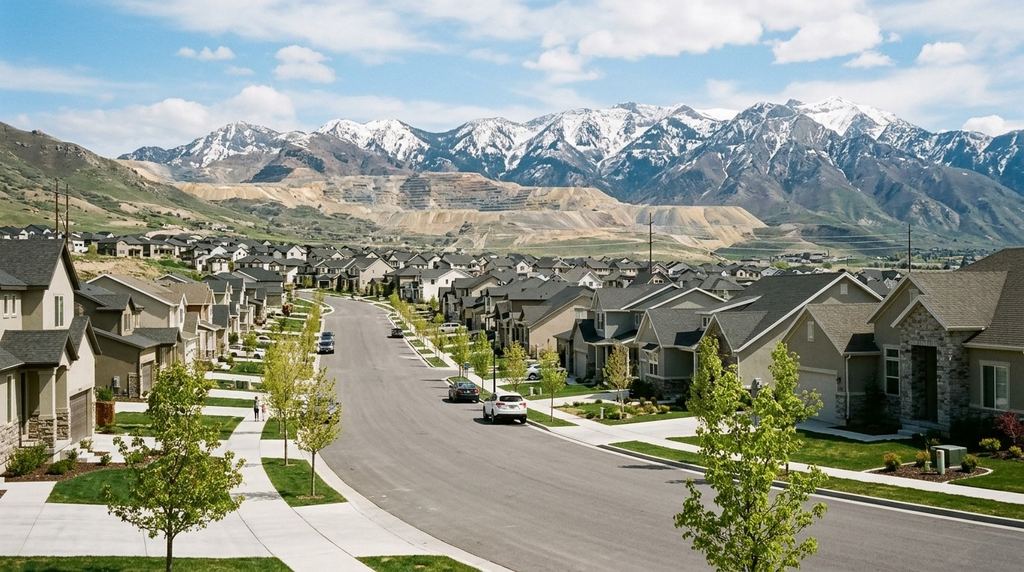
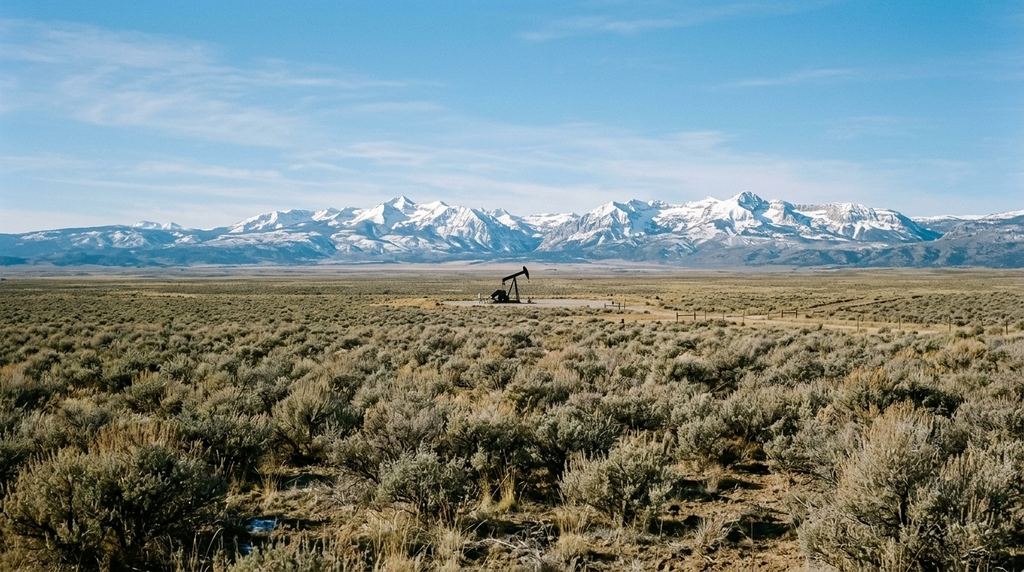
It opens with where, because location decides almost everything downstream, and a town on its own is not enough. It is a town plus how a truck reaches the specific spot. A graded lot in Riverton and a bench above Coalville are both easy to describe and completely different deliveries. A map pin or a photo of the actual ground answers the access question in seconds rather than ten minutes of description.
Then dates, which can be a range. Schedules slide here, usually around weather, and a window that is still moving is fine as long as everyone knows it is moving. Then the people and the pattern of the day. Then the site itself: what circuit exists and what else is on it, whether there is a hose bib, a hydrant, a sewer or septic tie-in, or nothing at all, what the surface is and what it does when it rains. Any of those answers is workable. It is only a guess presented as a fact that causes trouble on delivery morning.
What comes back
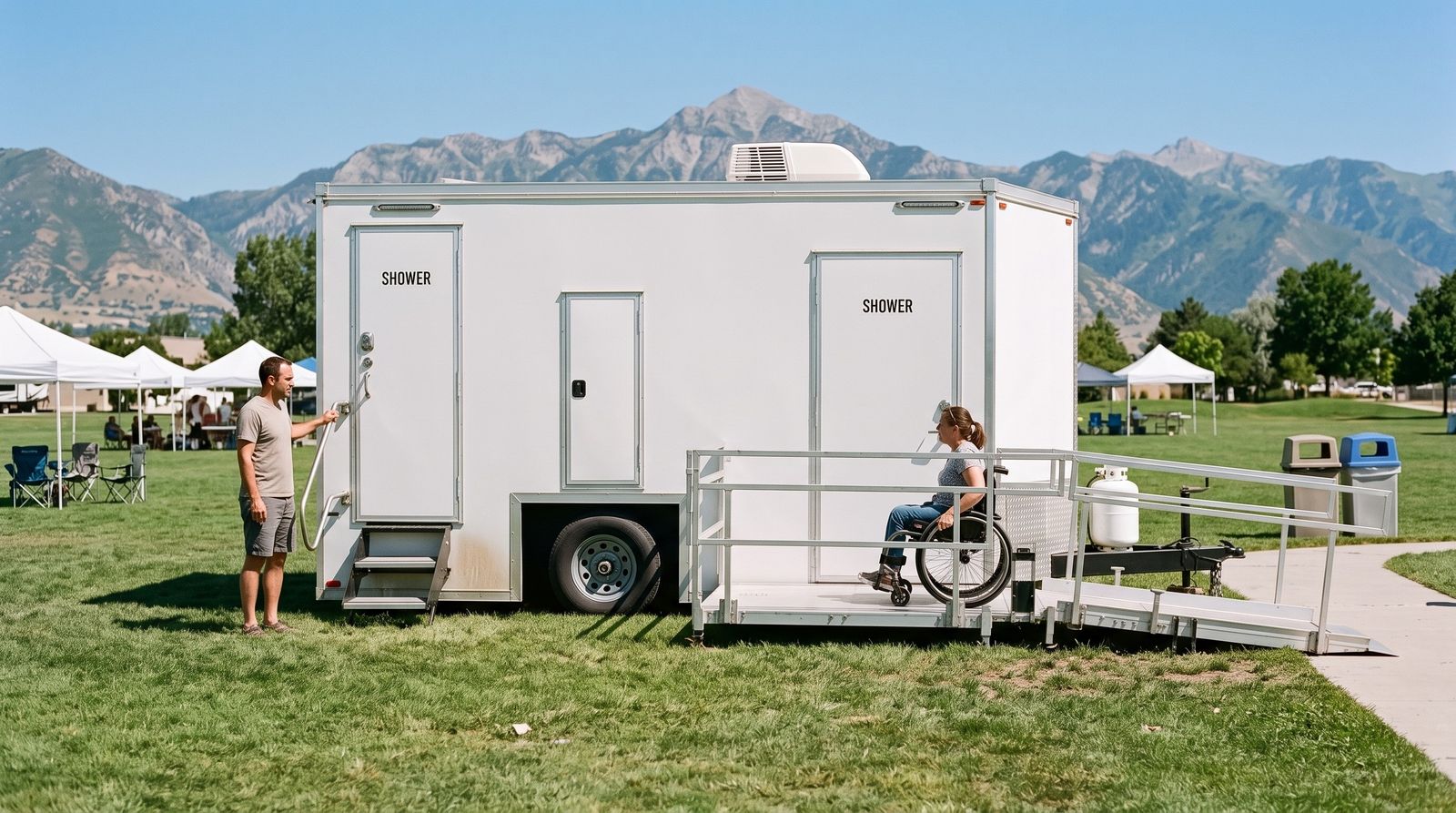
Not just a number. A plan that says which unit, where it would sit, how it gets power, where the water comes from, where the waste goes, how often somebody returns, and what the site needs to have ready before the truck arrives. On a winter or high-altitude job it names the freeze protection and the plowing arrangement. On a public event it names the accessible unit and the route to it.
What delivery day looks like
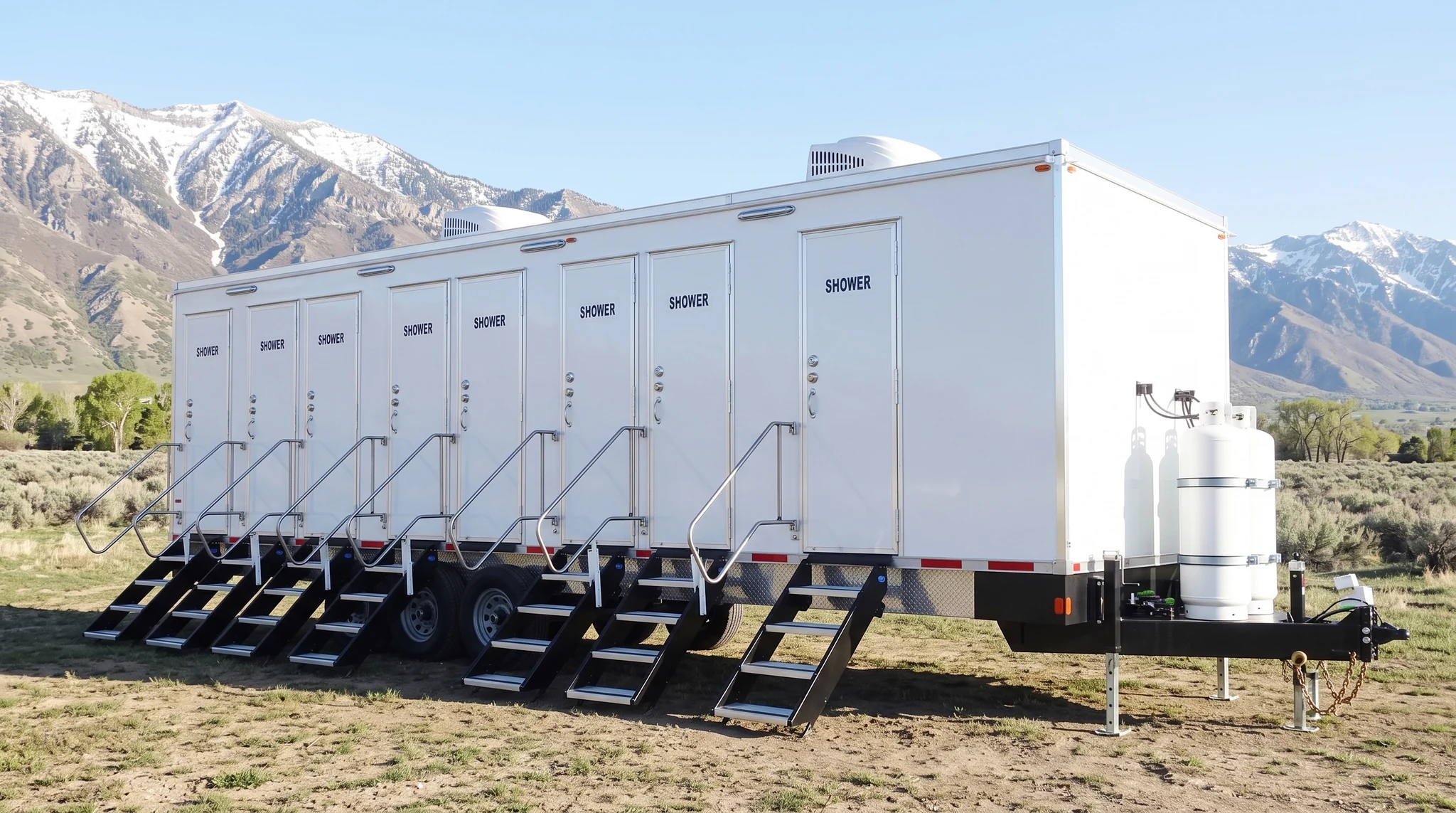
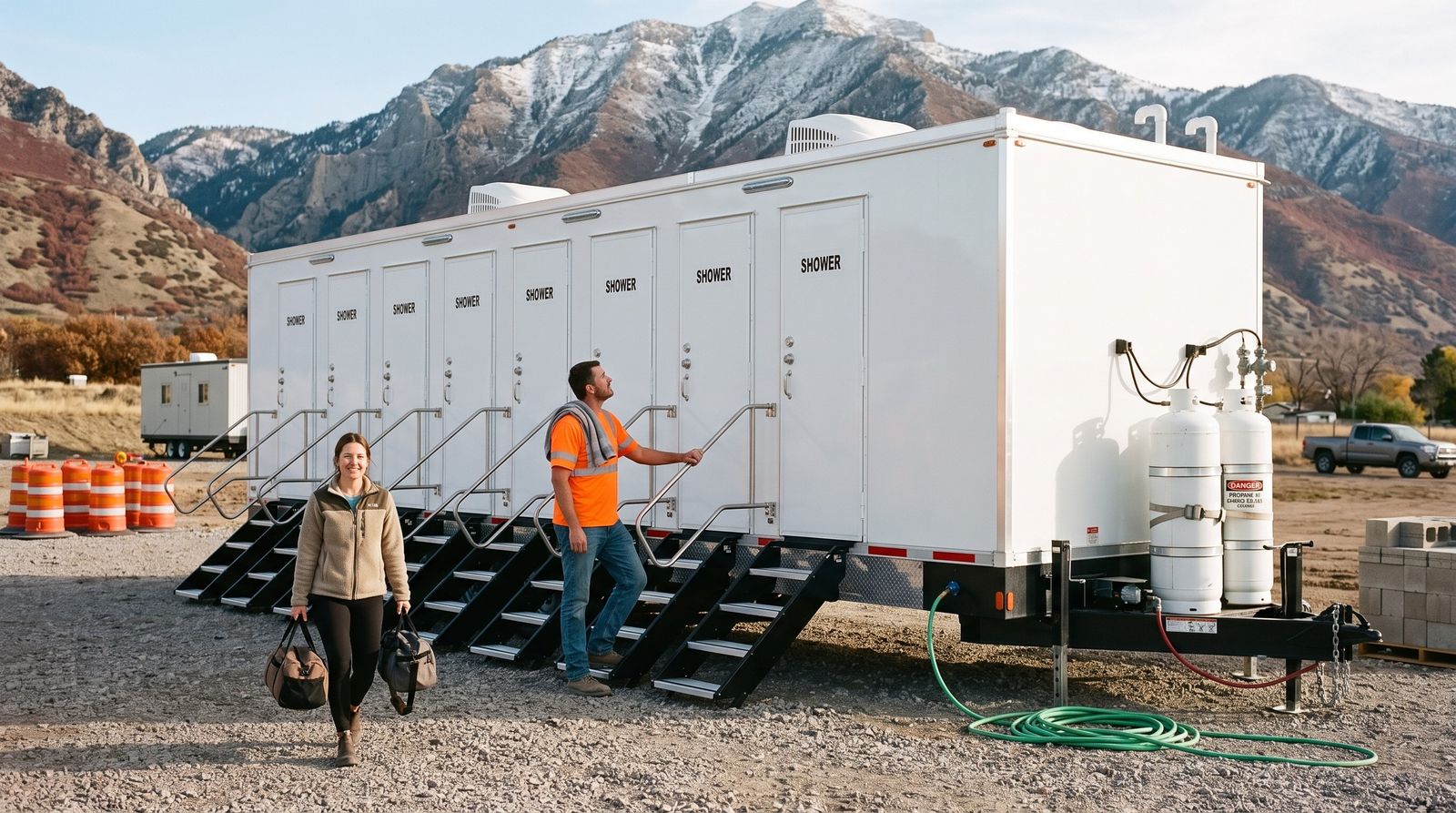
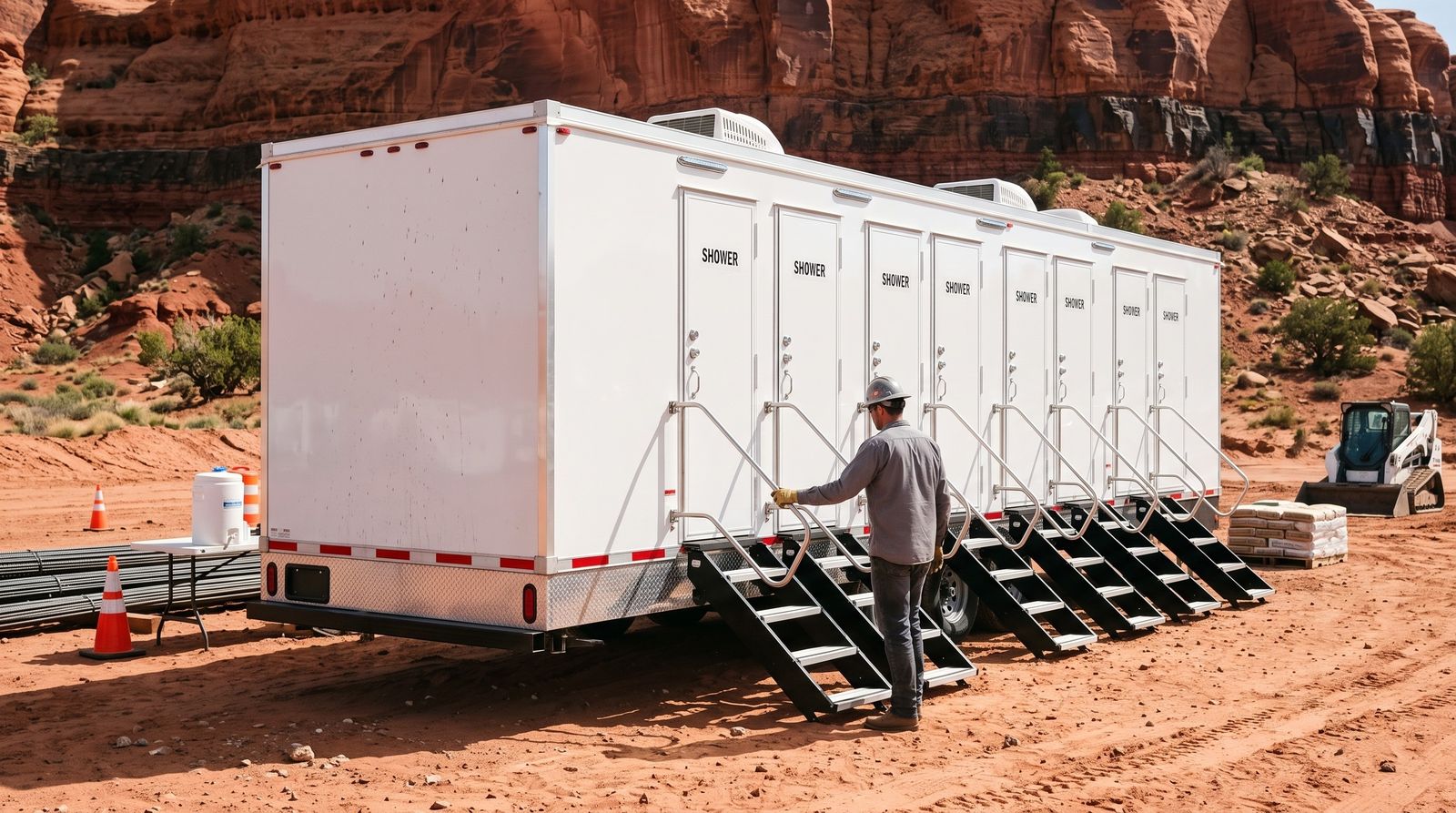
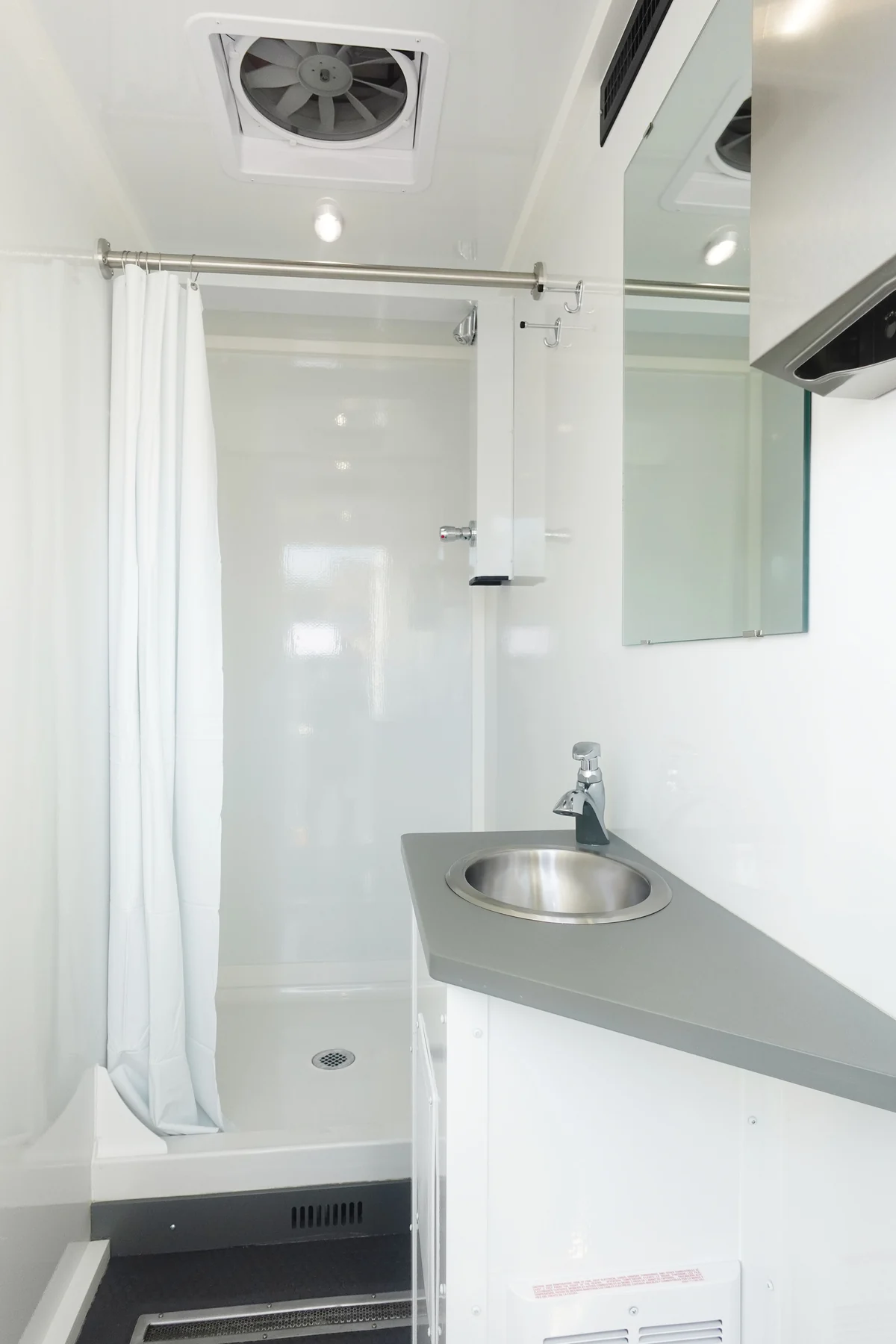
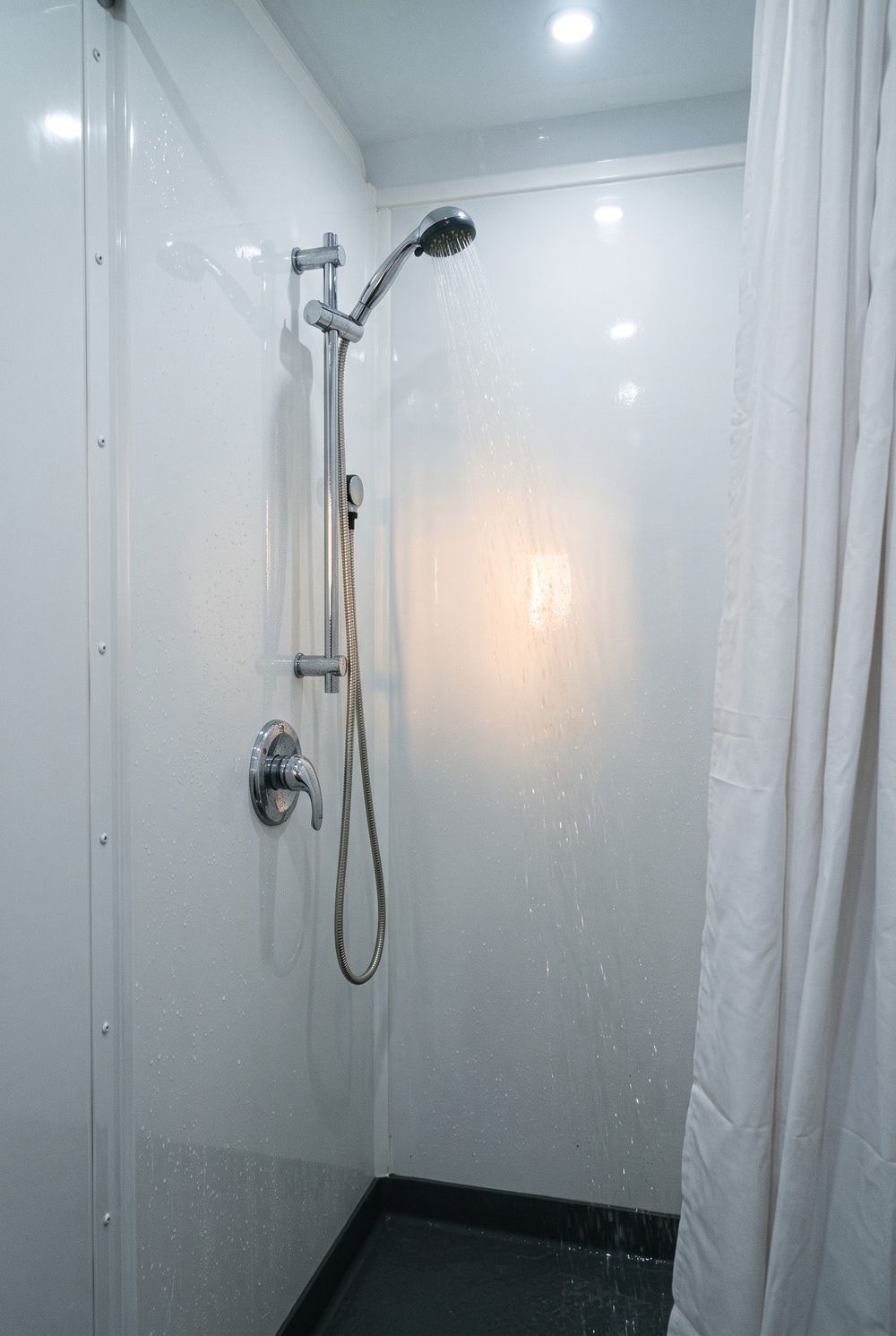
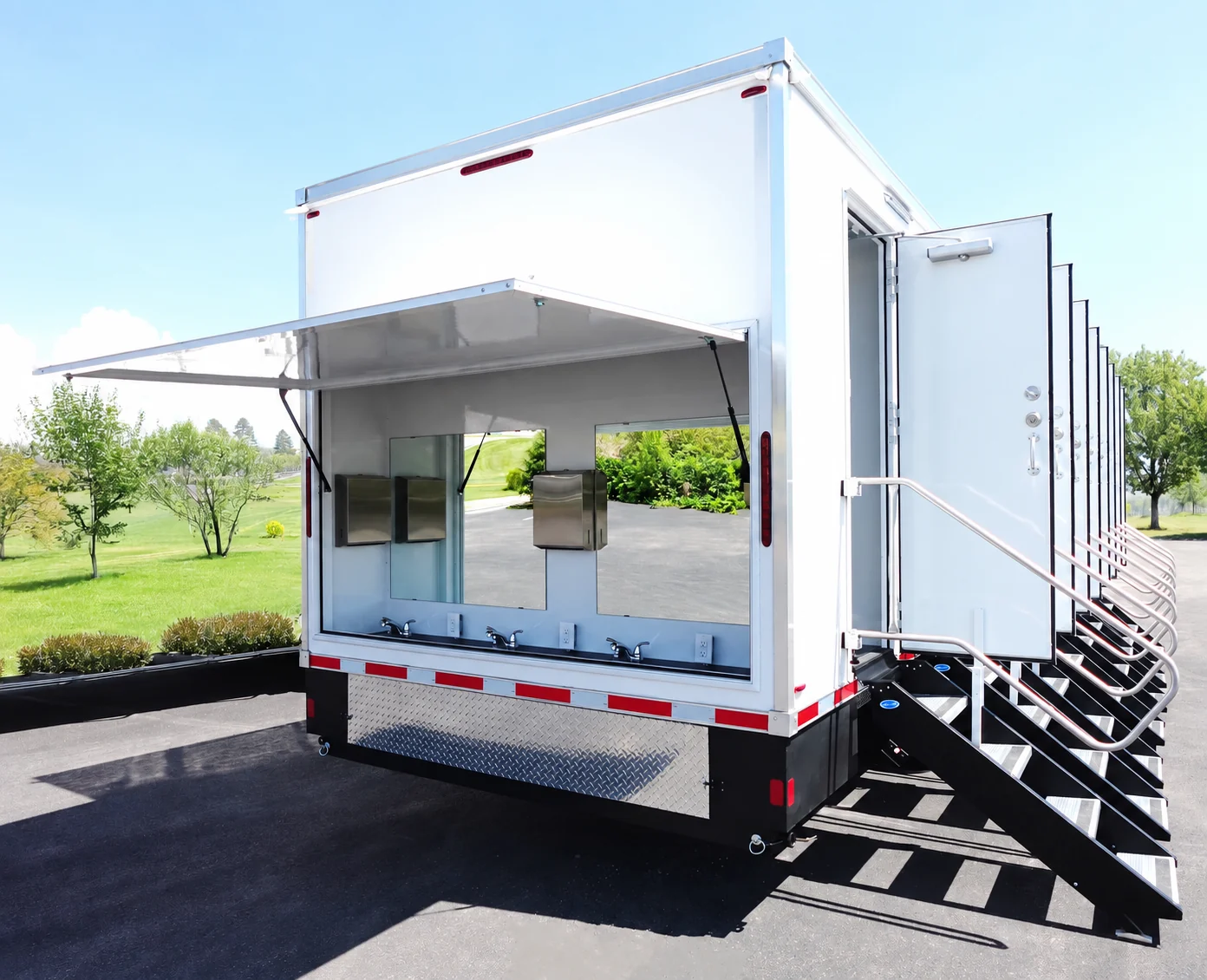
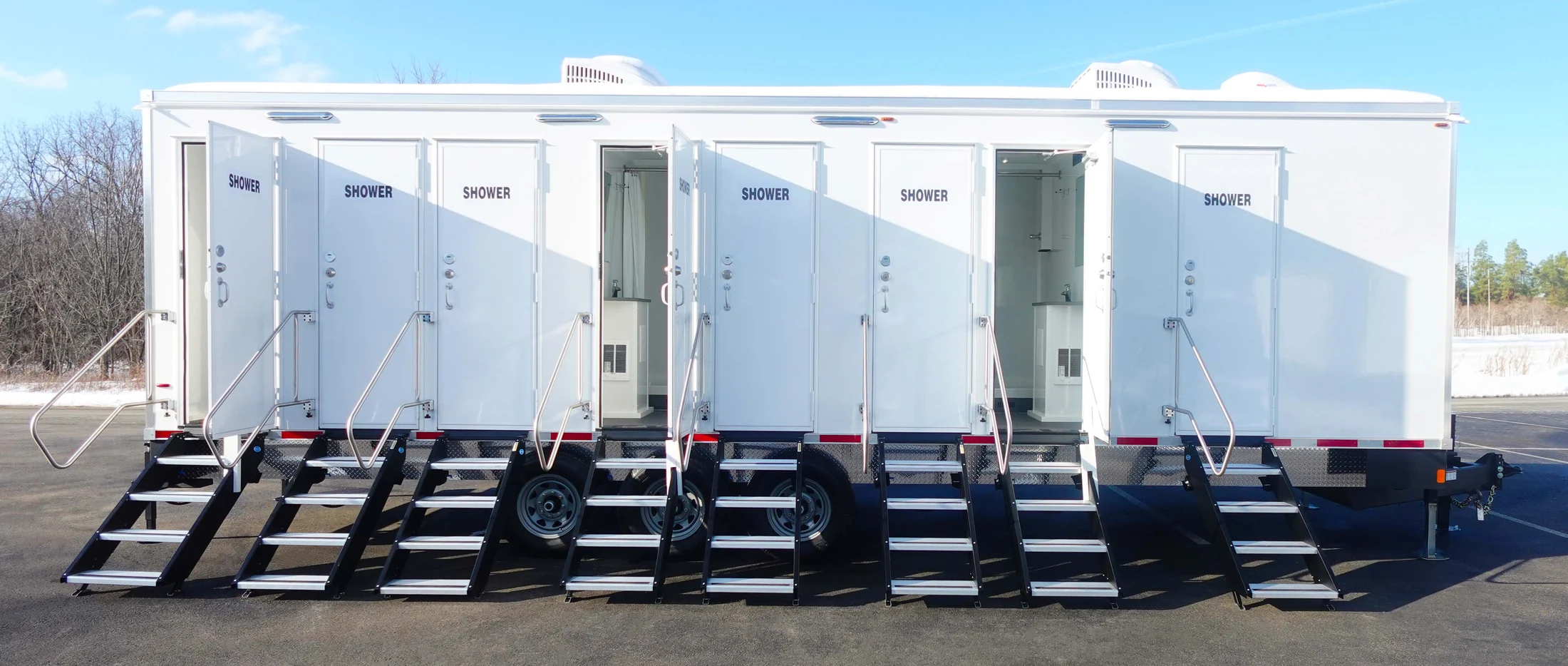
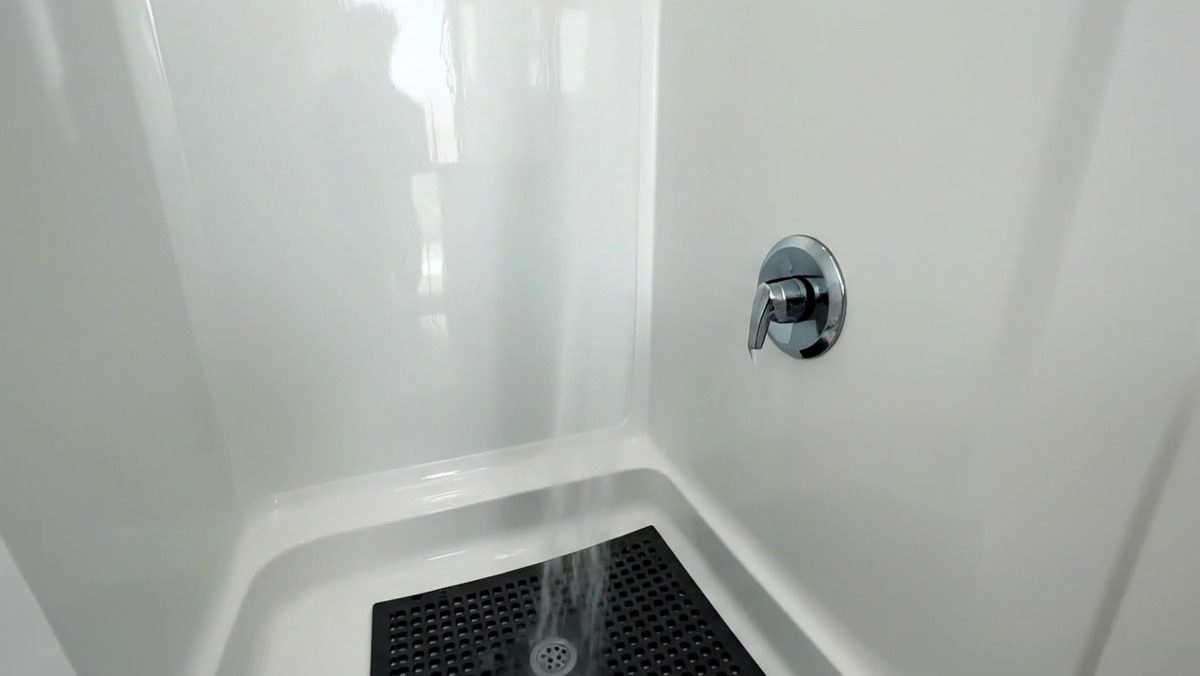
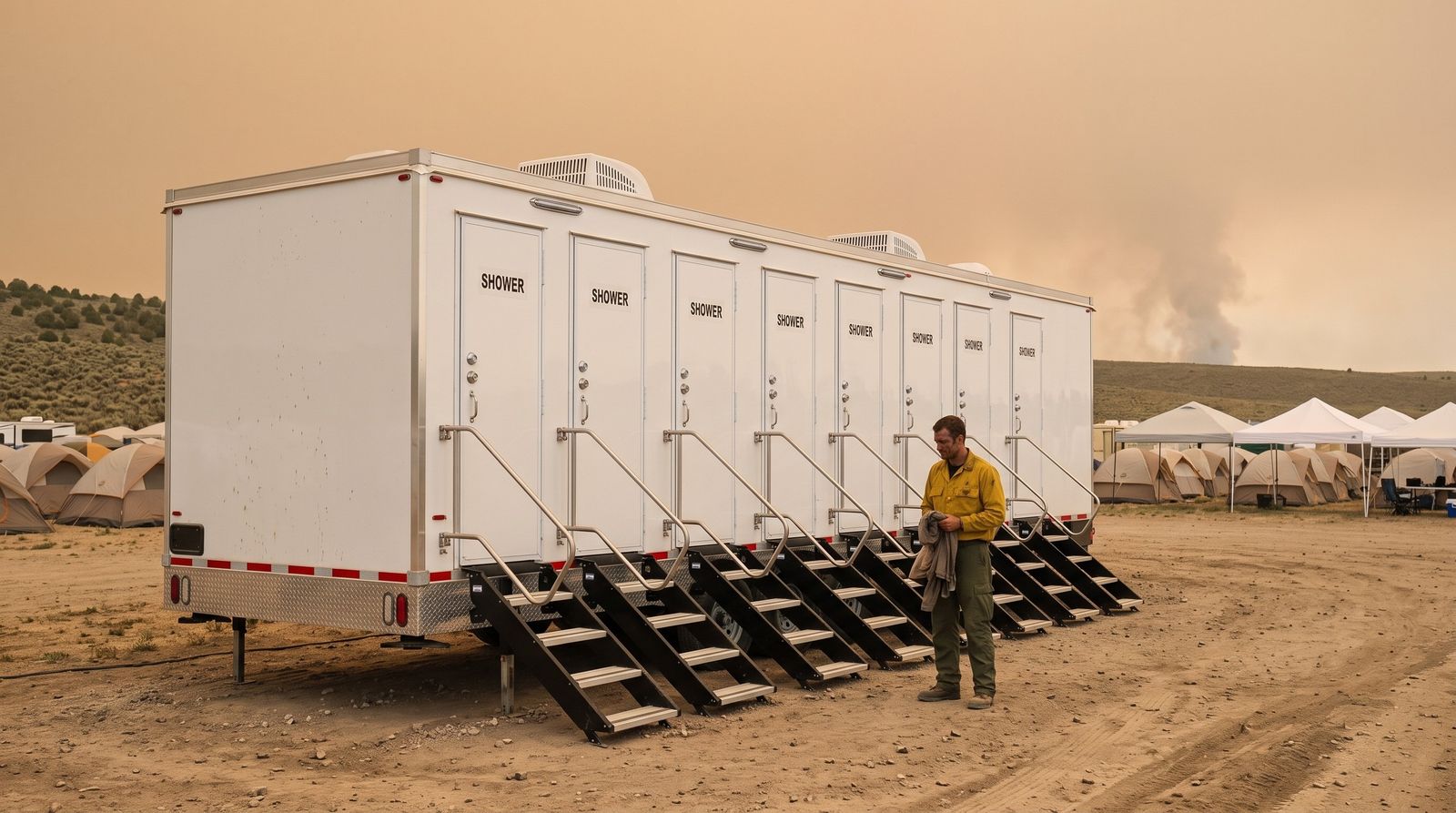
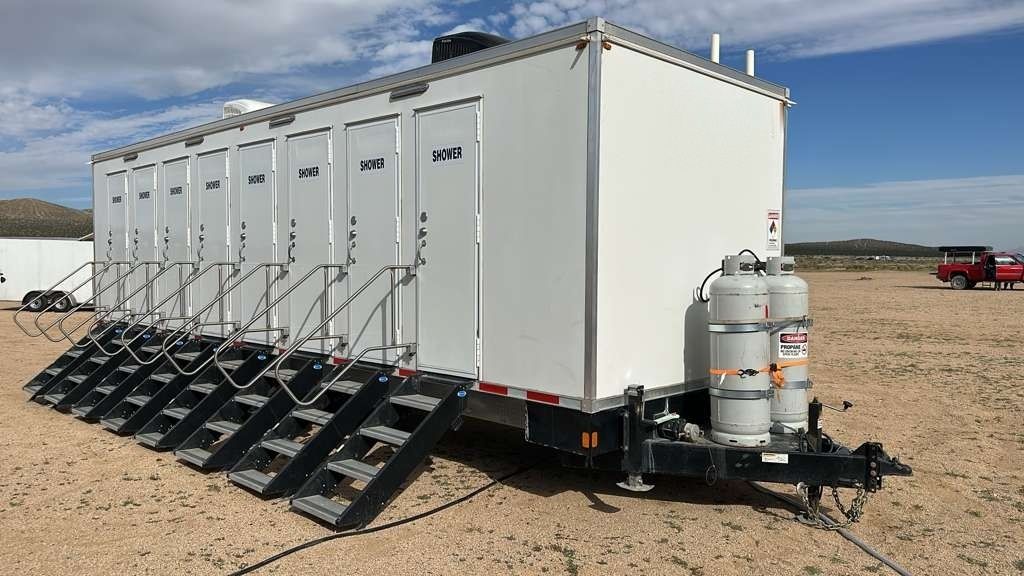
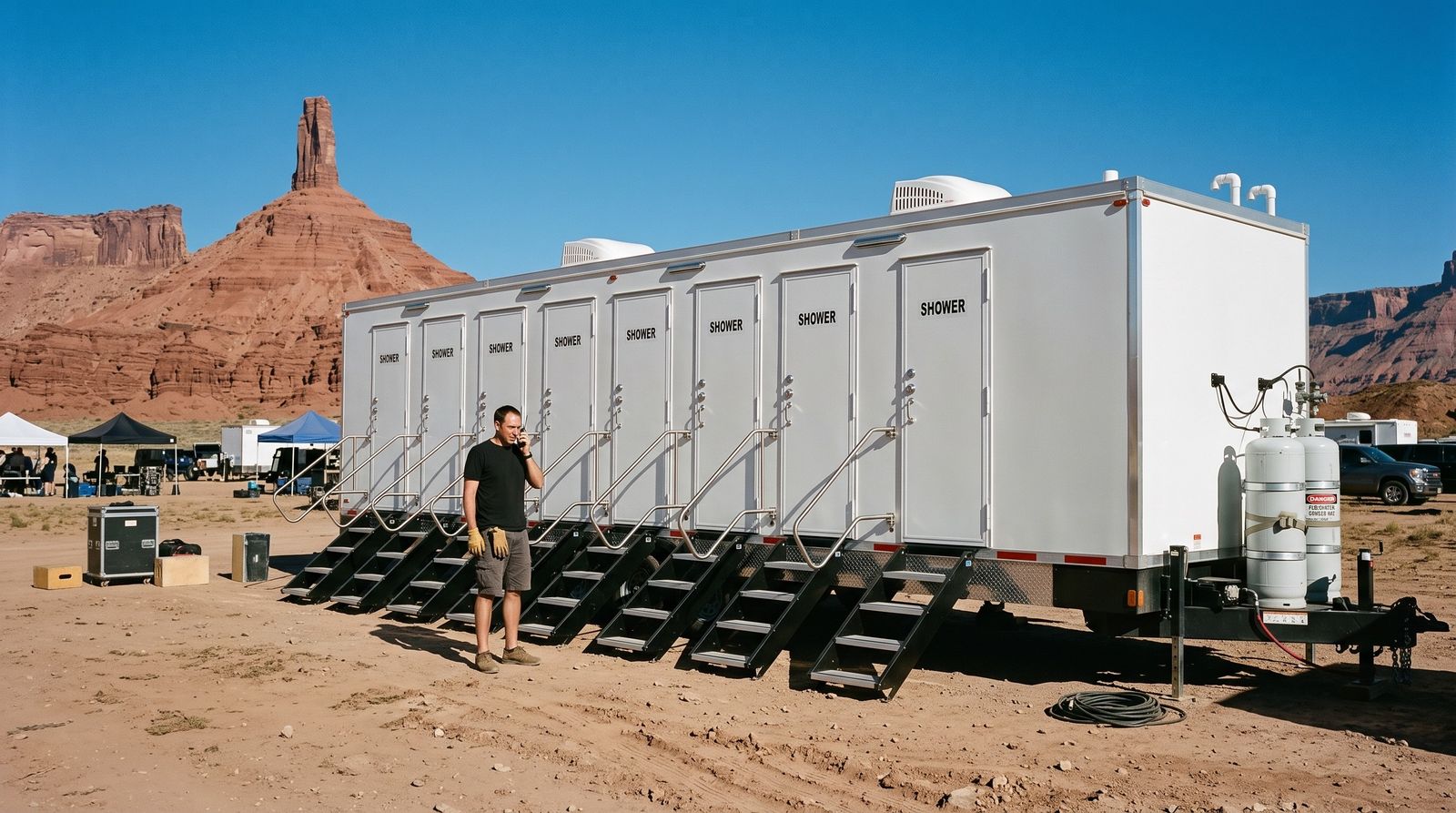
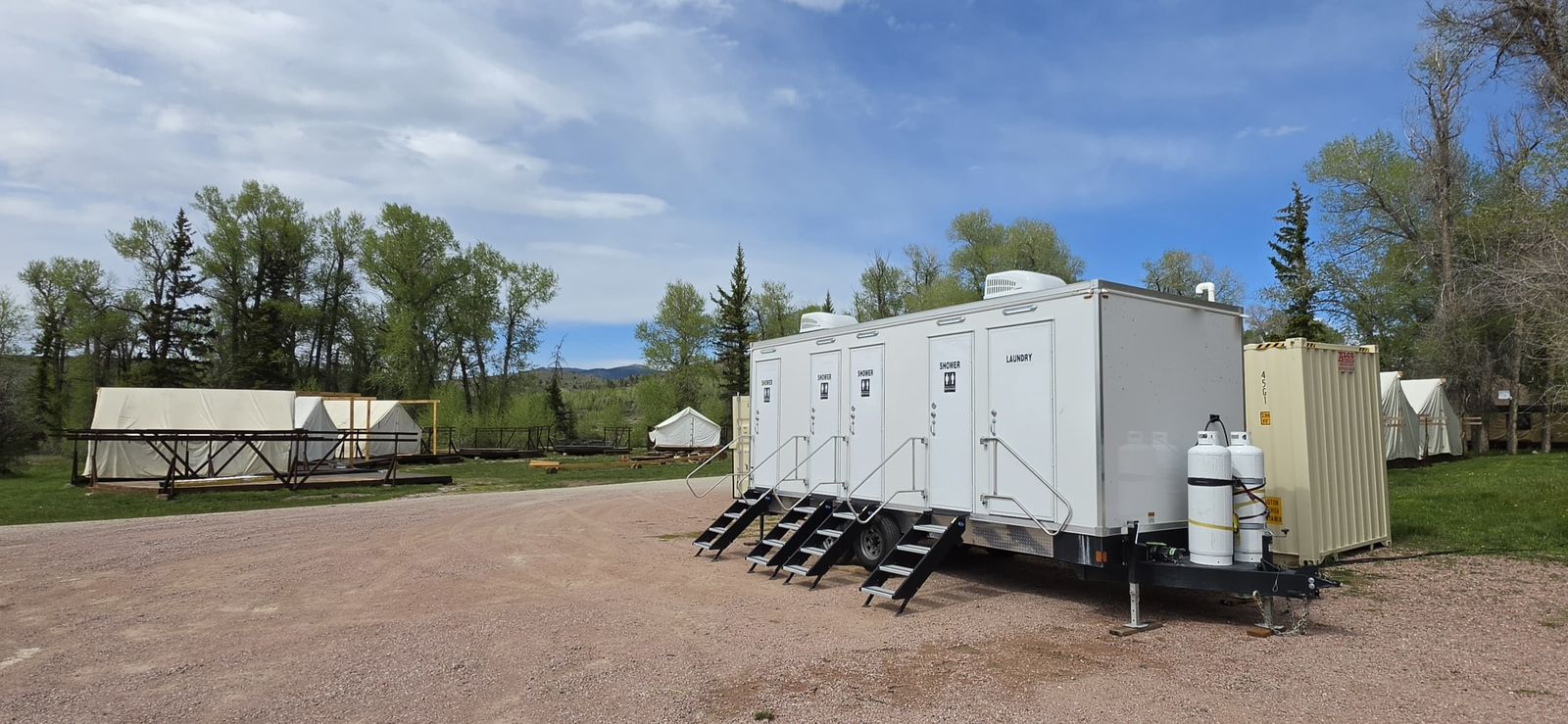
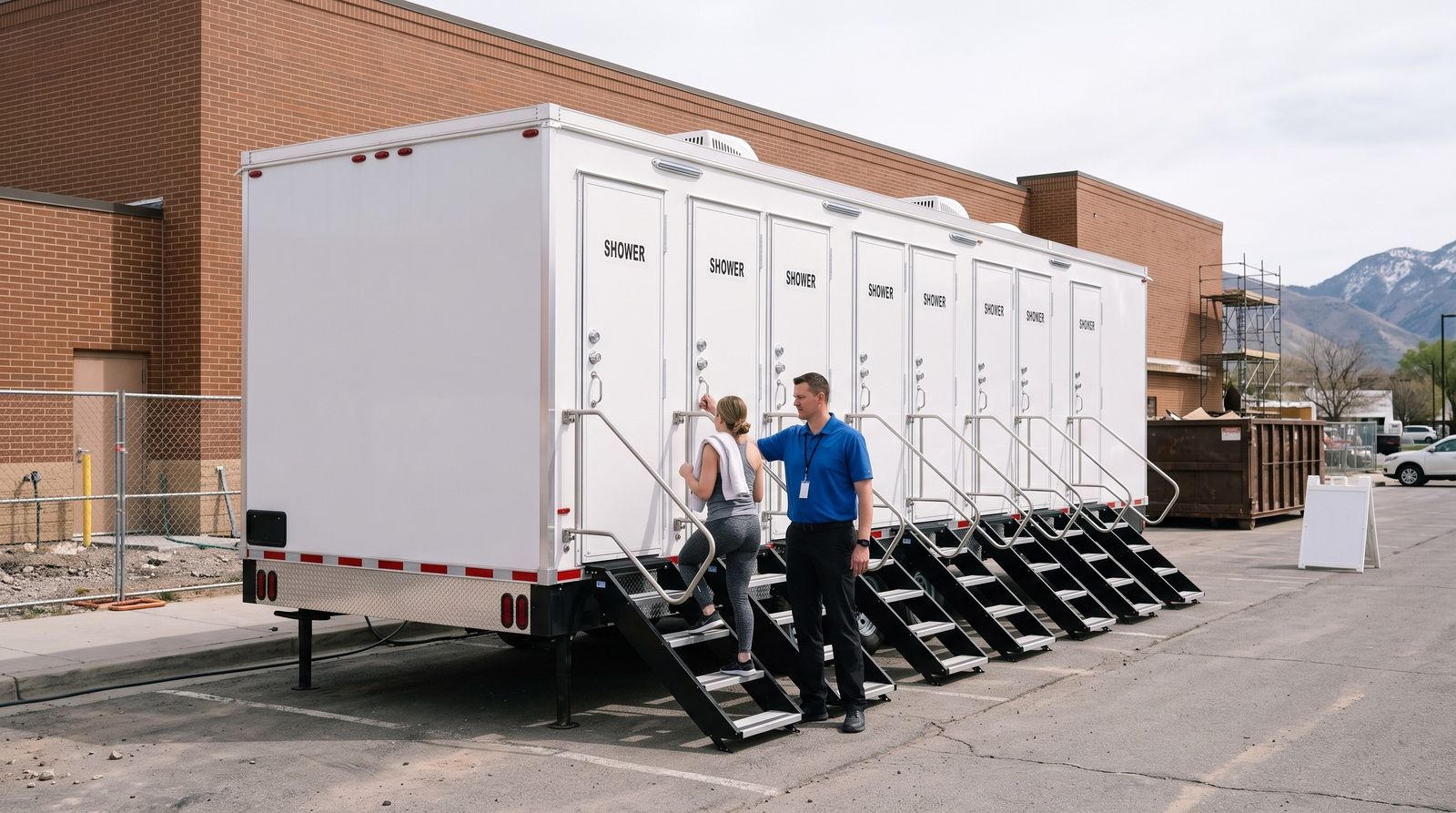
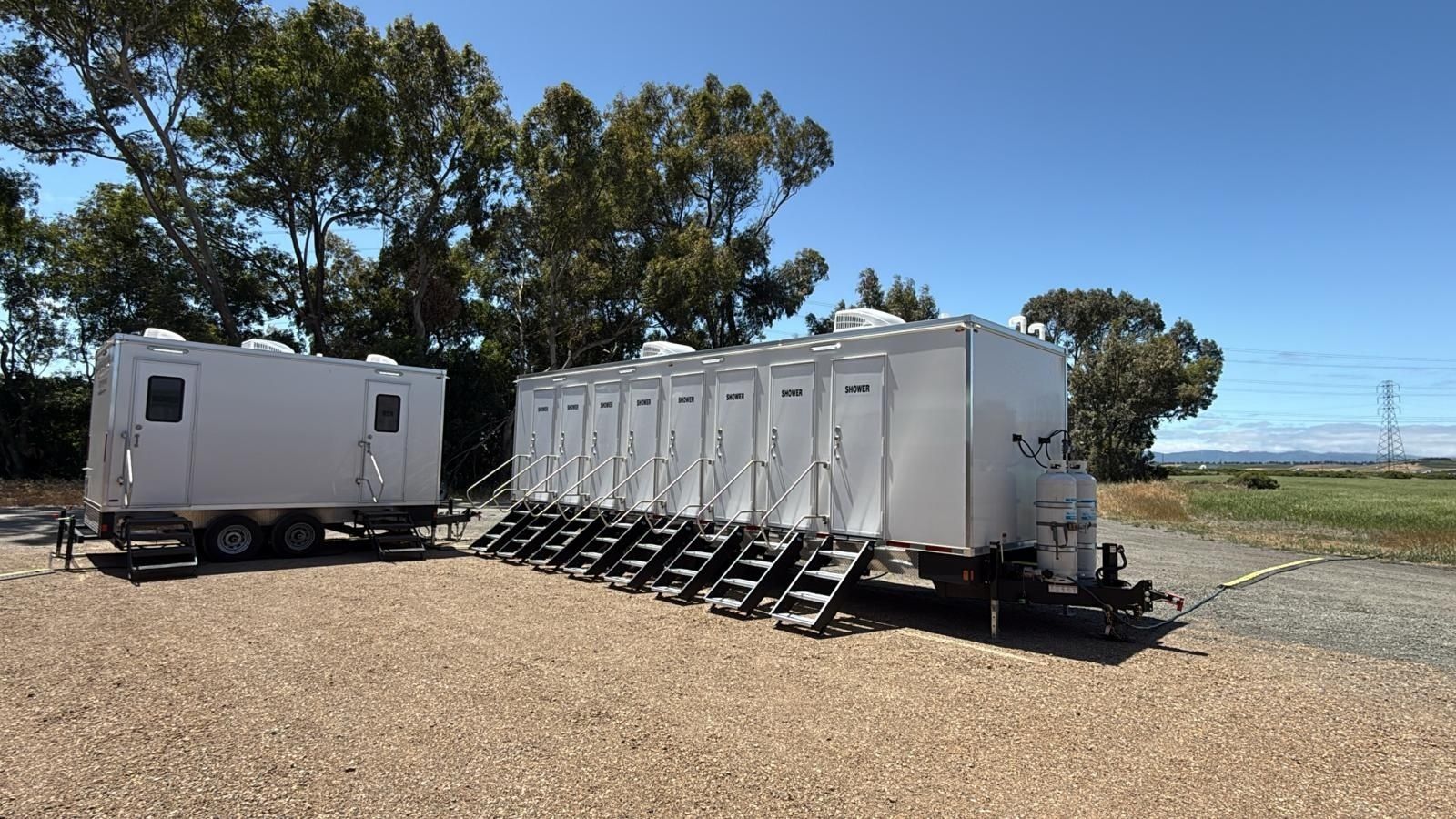
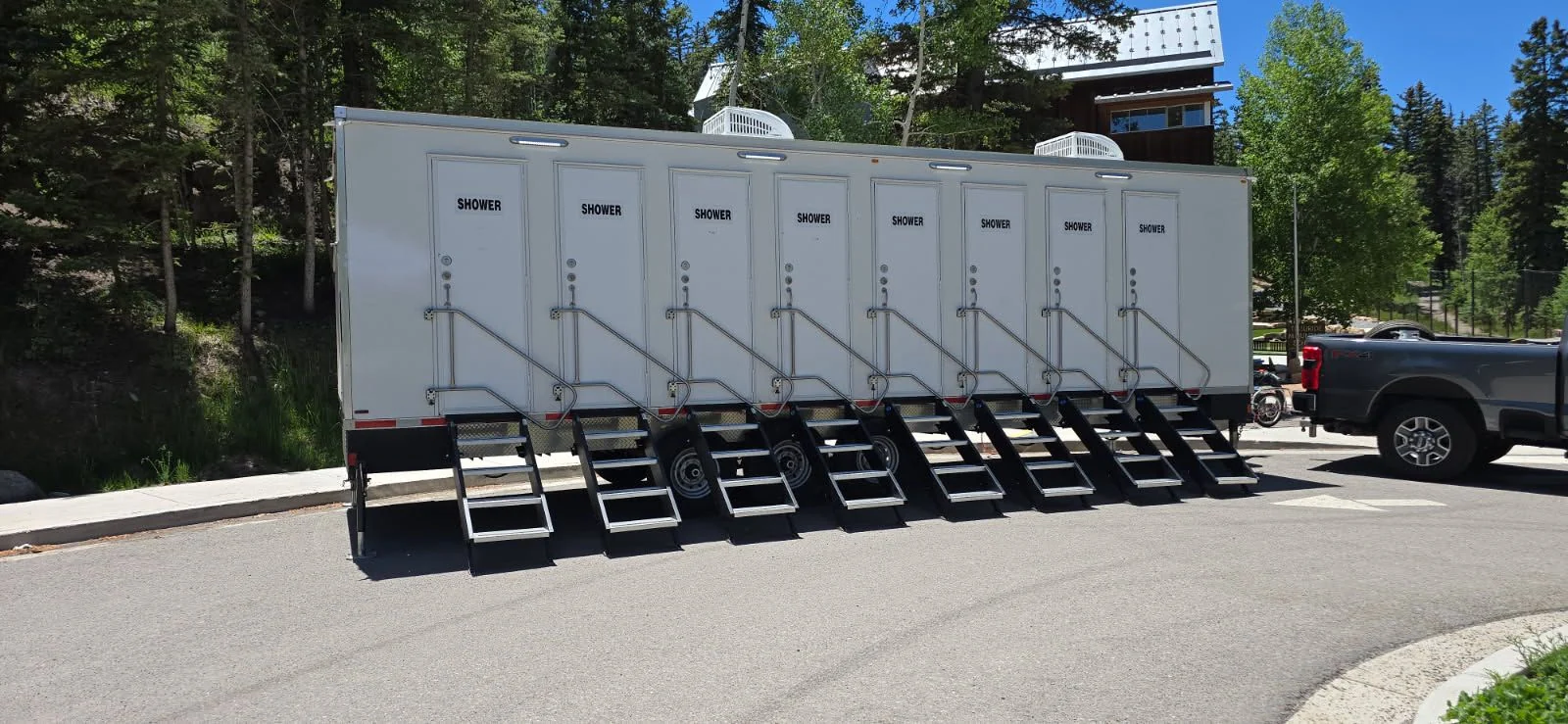
The approach is assessed before the truck commits to it. The trailer is set with its service side facing a lane the pump truck can reach, because a unit that is easy to use and impossible to pump out is a problem that surfaces on day four. Then it is leveled and blocked properly, which is not cosmetic: interior drains depend on it. Every room is run to temperature with water actually flowing, the heater is cycled under load, heat or cooling is confirmed holding rather than just switching on, and power draw is checked against the real circuit or generator.
The last step is a walkthrough with a named person on site, not a sign on the door. Five minutes on the thermostat, the service schedule and which number to ring prevents most of the calls that would otherwise happen after dark.
Then it goes quiet, which is the point
The first service cycle is a measurement. If the waste tank arrives fuller than the estimate suggested, the interval tightens before it becomes a problem. If it arrives half empty, the interval stretches and nobody keeps paying for visits that are not doing anything. After that, most of the value in this trade is measured in things that did not happen: no frozen line in January, no unit out of service the week of the event, no crew driving forty minutes to a truck stop because the showers were cold.